International Civil Aviation Day is an annual observance that aims to raise awareness about the importance of civil aviation in social and economic development. It also seeks to promote the safety, efficiency, and sustainability of air travel worldwide.
#HASHTAGS
#InternationalCivilAviationDay
International Civil Aviation Day is celebrated annually on December 7th
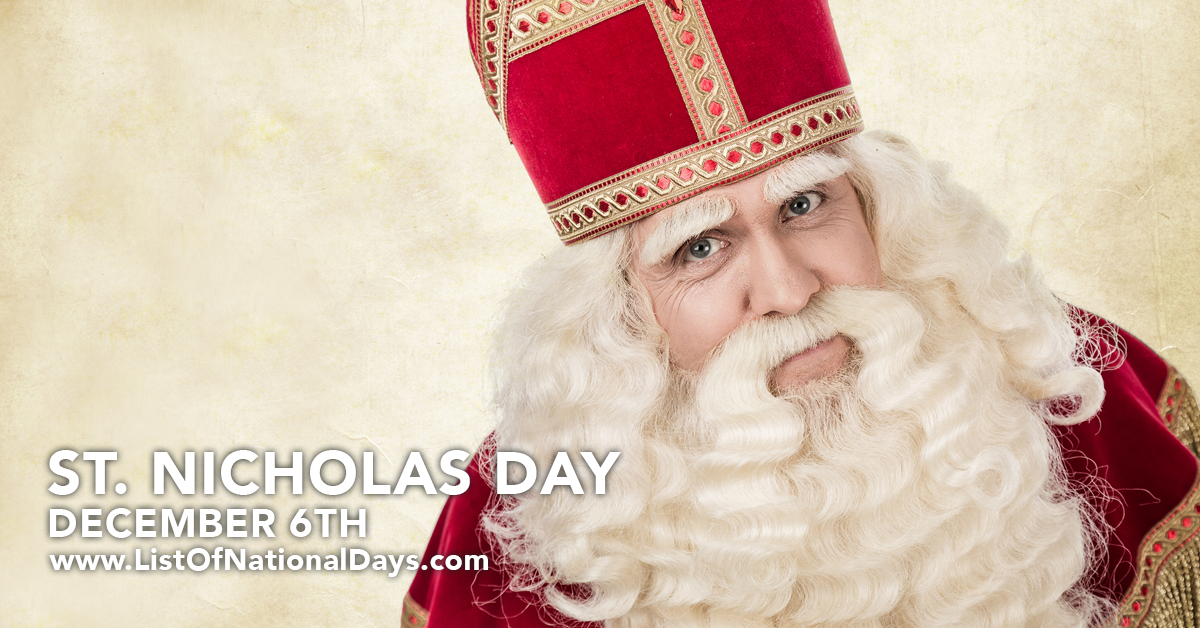
St. Nicholas Day, celebrated annually on December 6th, is a beloved holiday that honors the life and legacy of St. Nicholas, the 4th-century bishop of Myra (modern-day Turkey). Known for his kindness, generosity, and miracles, St. Nicholas became a beloved figure in many cultures, and his story continues to inspire acts of charity and goodwill. Although St. Nicholas Day is primarily observed in European countries, it has influenced the global Christmas tradition, with St. Nicholas serving as the inspiration for the modern-day figure of Santa Claus.
The History of St. Nicholas Day
St. Nicholas was born in the 3rd century in Patara, a town in what is now modern-day Turkey. As a bishop, he became known for his generosity to the poor, particularly to children, and for his acts of kindness. One of the most famous stories about St. Nicholas involves his secret gift-giving. Legend has it that he saved three impoverished daughters from being sold into slavery by secretly providing dowries for them, ensuring they could marry and live dignified lives. This act of kindness is often depicted in the form of gold coins, which would later become associated with St. Nicholas’s image.
St. Nicholas’s reputation as a patron of children and protector of the needy spread throughout Europe over the centuries, and his feast day—St. Nicholas Day—was established on December 6th to commemorate his death in 343 AD. In many Christian traditions, this day is seen as an opportunity to reflect on the virtues of charity, generosity, and compassion.
The holiday eventually influenced Christmas traditions in many cultures, particularly in the West. The modern figure of Santa Claus is based on the Dutch legend of Sinterklaas, a version of St. Nicholas. Through the years, St. Nicholas Day evolved from a religious observance to a festive occasion celebrated with gift-giving, parades, and community events.
Why St. Nicholas Day Matters
St. Nicholas Day holds significance for both its religious and cultural contributions. Here’s why this holiday matters:
1. Celebrating Generosity and Charity: St. Nicholas Day emphasizes the importance of generosity, kindness, and helping those in need. It reminds us to follow St. Nicholas’s example by performing acts of charity, whether donating to those less fortunate, volunteering, or giving a gift to someone in need. This spirit of giving continues to be central to the celebrations, particularly as people prepare for Christmas.
2. Honoring the Patron Saint of Children: St. Nicholas is widely regarded as the patron saint of children, and St. Nicholas Day is particularly meaningful for families and young children. The day offers an opportunity to reflect on the well-being of children and the importance of providing care, love, and protection to the next generation. In many cultures, children receive small gifts or treats on St. Nicholas Day, reinforcing the saint’s connection to generosity and care for youth.
3. Cultural Traditions and Festivities: St. Nicholas Day is a celebration with cultural traditions that unite communities. From parades and processions to special meals and treats, the holiday fosters a sense of unity and joy. Different countries and regions have developed unique ways of observing St. Nicholas Day, creating a rich diversity of customs celebrated worldwide.
How St. Nicholas Day is Celebrated Around the World
While St. Nicholas Day is celebrated in various ways depending on the region, the core themes of generosity, kindness, and celebration remain the same. Here’s how St. Nicholas Day is traditionally observed in different parts of the world:
1. Netherlands and Belgium – Sinterklaas: In the Netherlands and Belgium, St. Nicholas is known as Sinterklaas. On the evening of December 5th, children place their shoes by the fireplace or at the door, hoping Sinterklaas will fill them with candy, small toys, or coins. Sinterklaas is accompanied by his helpers, known as Zwarte Piet (Black Peter), who assist in the distribution of gifts. On December 6th, the feast of St. Nicholas, communities often hold parades and celebrations to honor the saint.
2. Germany – Nikolaustag: In Germany, St. Nicholas Day is known as Nikolaustag. On the night of December 5th, children leave their boots outside their doors for St. Nicholas to fill with small gifts and sweets. Similar to the Netherlands, children are told to be good throughout the year to receive these treats. In some parts of Germany, St. Nicholas Day is a religious observance with church services, while in others, it’s a more festive event with family gatherings and celebrations.
3. Austria – Krampus and St. Nicholas: In Austria and parts of Central Europe, St. Nicholas Day is paired with the tradition of Krampus, a terrifying figure who punishes naughty children, while St. Nicholas rewards the well-behaved. On December 5th, Krampus and St. Nicholas parade through towns and villages, with people dressing up as Krampus to scare children into behaving. The celebration blends religious observance with folkloric traditions, creating a unique and festive atmosphere.
4. Italy – La Festa di San Nicola: St. Nicholas is particularly venerated in Bari, Italy, where his relics are kept. On December 6th, the city hosts a grand celebration in honor of St. Nicholas, including processions, church services, and feasts. The festival often includes lighting candles and sharing traditional foods like sweets and pastries. It’s a day to honor St. Nicholas’s generosity and role as the protector of children.
5. United States – Santa Claus and St. Nicholas Day: In the United States, St. Nicholas Day is not as widely observed as in Europe, but it has influenced the modern Christmas traditions. Many families of European descent continue to celebrate St. Nicholas Day with small gifts and special treats. The day is often seen as an opportunity to reflect on the coming of Christmas and to prepare for the holiday season. The legend of St. Nicholas also inspired the American figure of Santa Claus, who embodies the spirit of giving during the Christmas season.
How to Celebrate St. Nicholas Day
You can celebrate St. Nicholas Day in many ways, whether by following traditional customs or creating your own. Here are some ideas to help you observe this special day:
1. Give Back to Your Community: In the spirit of St. Nicholas, perform acts of kindness on December 6th. Donate to a charity, volunteer your time, or give a gift to someone in need. This is a great way to reflect on St. Nicholas’ generosity and spread goodwill in your community.
2. Share the Tradition with Children: If you have young children, St. Nicholas Day can be a fun way to teach them about the importance of generosity and good behavior. You can have them leave their shoes out for small gifts or treats, just like in the Netherlands and Germany. It’s a great way to engage them in the holiday season and help them appreciate the virtues of kindness and charity.
3. Attend a St. Nicholas Day Service: Many churches hold special services on St. Nicholas Day to celebrate the saint’s life and legacy. Attending a service can be a meaningful way to observe the day and reflect on giving charity, and community themes.
4. Enjoy St. Nicholas Day Treats: St. Nicholas Day is marked by delicious foods and treats in many cultures. Consider baking traditional cookies, cakes, or pastries associated with the holiday, such as gingerbread cookies or St. Nicholas-themed cakes. Sharing these sweet treats with family and friends is a great way to celebrate the day.
#HASHTAGS
#StNicholasDay
St. Nicholas Day is celebrated annually on December 6th
National Commute With Your Baby Day is a day to encourage parents to bring their babies along for their daily commute. It aims to highlight the importance of quality time with a baby, promote bonding, and encourage the use of safe and sustainable transportation options.
#HASHTAGS
#NationalCommuteWithYourBabyDay
National Commute With Your Baby Day is celebrated annually on December 5th
International Volunteer Day is a day celebrated on December 5th each year to recognize and appreciate the efforts of volunteers around the world. It aims to promote volunteerism and raise awareness about the impact that volunteers have on their communities and society as a whole.
#HASHTAGS
#InternationalVolunteerDay
International Volunteer Day is celebrated annually on December 5th
World Soil Day is observed on December 5th each year to raise awareness about the importance of soil and promote sustainable soil management practices. It aims to highlight the crucial role that soil plays in food security, climate change mitigation, biodiversity conservation, and overall health of the planet Earth.
#HASHTAGS
#WorldSoilDay
World Soil Day is celebrated annually on December 5th
Krampusnacht, observed on December 5th, is a unique and intriguing holiday that takes place in several European countries, particularly in Austria, Germany, and parts of Central Europe. The event, steeped in centuries-old folklore, honors Krampus, a mythical creature who punishes naughty children during Christmas in contrast to St. Nicholas. While Christmas is often associated with joy, generosity, and good cheer, Krampusnacht provides a darker, more mischievous side to the festivities.
The Origins of Krampusnacht
Krampusnacht, which translates to “Krampus Night,” is celebrated on December 5th, the eve of St. Nicholas Day (December 6th). Krampus, the central figure of the celebration, is a horned, half-goat, half-demon creature who is believed to punish children who have been naughty or misbehaved during the year. The origins of Krampus can be traced back to pre-Christian Alpine traditions, where folklore depicted various creatures who would roam the mountains during winter. Over time, Krampus became associated with St. Nicholas, who, in contrast, rewarded good children with gifts.
The name “Krampus” is derived from the German word “Krampen,” meaning “claw,” which aptly describes the creature’s fearsome appearance. Krampus is often depicted as a terrifying, hairy figure with glowing eyes, sharp fangs, and a long, forked tongue. His frightening appearance and dark persona stand in stark contrast to the jolly and benevolent St. Nicholas.
In the 19th century, the celebration of Krampusnacht began to grow in popularity, particularly in Alpine regions. Krampus would accompany St. Nicholas during parades and festivities, serving as a reminder of the consequences of bad behavior. In some traditions, Krampus was said to carry chains or a bundle of birch sticks, which he would use to “punish” naughty children by scaring them into good behavior or, in darker versions of the story, carrying them away in his sack.
Why Krampusnacht Matters
Krampusnacht is a celebration that offers a different perspective on the holiday season. While Christmas typically emphasizes kindness, generosity, and the spirit of giving, Krampusnacht introduces the idea of balance between reward and punishment. Here’s why Krampusnacht holds cultural significance:
1. Preserving Tradition and Folklore: Krampusnacht is deeply rooted in centuries of Alpine folklore and has been passed down through generations. The celebration helps preserve ancient traditions that have shaped European Christmas customs. By honoring Krampusnacht, communities continue to connect with their cultural heritage and the myths that have shaped their festive practices.
2. A Fun and Mischievous Twist on Christmas: While Krampusnacht reminds children to be well-behaved, it also adds a sense of fun and excitement to the holiday season. The fearsome character of Krampus, with his antics and mischievous behavior, adds a playful yet spooky element to the otherwise cheerful atmosphere of Christmas. Krampusnacht provides a unique opportunity for adults and children alike to embrace the darker side of holiday traditions in a lighthearted and enjoyable way.
3. A Reminder of Balance and Consequences: In a world where “good behavior” is often celebrated, Krampusnacht reminds us that misbehavior has consequences. While the idea of punishing children may seem harsh, Krampusnacht teaches lessons about balance, fairness, and the importance of respect. It emphasizes that rewards and consequences go hand in hand, making it an important cultural tradition that reinforces societal values.
Krampusnacht Traditions and Celebrations
Krampusnacht is celebrated in a variety of ways, depending on the region, but there are common elements that define this unique holiday. Here are some of the most popular Krampusnacht traditions:
1. Krampus Parades and Processions: One of the most exciting ways Krampusnacht is celebrated is through Krampus parades or processions, which take place in various cities and towns across Europe. These events typically feature individuals dressed as Krampus, wearing elaborate costumes and masks that make them look like mythical creatures. The “Krampuses” (the people dressed as Krampus) often chase and scare onlookers, particularly children, adding an element of theatricality and excitement to the celebration. In some regions, these Krampus parades are accompanied by the figure of St. Nicholas, who rewards good children with small gifts like chocolates or oranges. The parades may include traditional music, dancing, and street performances, creating a festive atmosphere despite Krampus’s dark character.
2. Krampus Runs (Krampusläufe): Krampusläufe, or “Krampus Runs,” are traditional events that involve people dressed in Krampus costumes running through the streets. These events are particularly popular in Austria, Bavaria, and parts of Switzerland, where participants participate in the Krampus hunt revelry. People dress in fur costumes, wear bells, and carry chains or sticks, which are often used to “punish” naughty children or scare the crowd. Krampusläufe are high-energy, exciting events, often accompanied by music, laughter, and a sense of mischief.
3. Krampus Masks and Costumes: A significant aspect of Krampusnacht is the creation and wearing of Krampus masks and costumes. These masks, often handmade, are intricately designed to reflect the terrifying appearance of Krampus. Many people participate in local crafting workshops to create their own Krampus masks, adding an element of art and craftsmanship to the celebration. These masks often feature exaggerated facial features, such as horns, fangs, and wild eyes, all designed to evoke fear and excitement.
4. Krampus-themed Parties and Events: In modern times, Krampusnacht has been embraced by many as a fun and spooky addition to the holiday season. In addition to the traditional celebrations, people host Krampus-themed parties, which include costumes, Krampus-inspired decorations, and festive treats. These parties often feature themed cocktails, spooky music, and games that tap into the mischievous nature of Krampus. They offer a fun way for adults to get into the spirit of Krampusnacht and explore its darker traditions.
5. Krampus-Related Merchandise: As Krampusnacht grows in popularity, there has been a rise in Krampus-themed merchandise. From Krampus figurines and ornaments to Krampus-themed clothing and accessories, people can now celebrate the day with unique items that reflect their love of the tradition. Many artisans and crafters create custom Krampus-themed goods, making this a great way to bring home a piece of Krampusnacht culture.
How to Celebrate Krampusnacht
If you’re interested in celebrating Krampusnacht, here are some fun ideas for joining in the festivities:
Learn about Krampus folklore: Dive deeper into the rich folklore surrounding Krampus and other mythical creatures of the holiday season. Reading about the history of Krampus can give you a greater appreciation for this ancient tradition.
Dress up as Krampus: Embrace the spooky side of the season by dressing up as Krampus. You can make your own Krampus costume or attend a local Krampus parade and join in the fun.
Attend a Krampus parade or run: Check if your local city or town hosts a Krampus parade or Krampuslauf. These events are a great way to experience the excitement and spectacle of Krampusnacht.
Host a Krampus-themed party: Invite friends and family to a costume party to celebrate Krampusnacht, complete with Krampus-themed decorations, spooky treats, and eerie music.
#HASHTAGS
#Krampusnacht
Krampusnacht is celebrated annually on December 5th
Celebrate Shelter Pets Day is a day dedicated to raising awareness and recognizing the positive impact that shelter pets have on our lives. It aims to promote the adoption of shelter pets and encourage people to provide loving homes to animals in need.
#HASHTAGS
#CelebrateShelterPetsDay
Celebrate Shelter Pets Day is celebrated annually on December 5th
National Blue Jeans Day, celebrated every year on December 5th, pays tribute to one of the most iconic and versatile pieces of clothing ever created — blue jeans. From humble workwear origins to high-fashion runways, denim has evolved into a global wardrobe essential. This day encourages everyone to pull on their favorite pair, reflect on the rich history of denim, and celebrate the timeless comfort and style that blue jeans represent.
The History of Blue Jeans
Blue jeans date back to 1873, when Levi Strauss, a businessman, and Jacob Davis, a tailor, patented riveted denim pants designed for durability. Initially made for miners and laborers during the Gold Rush, these rugged trousers quickly became a symbol of the hardworking American spirit.
By the mid-20th century, jeans had become a cultural icon — worn by rebels like James Dean, rock stars, and everyday people alike. From 1950s greasers to 1990s grunge, blue jeans have evolved through countless styles, including skinny, bootcut, and distressed denim.
Today, jeans represent individuality, comfort, and universal style — a fashion statement that transcends generations.
Why We Love Blue Jeans
Timeless Style: No matter the decade, jeans remain effortlessly fashionable.
Comfort and Durability: Denim is built to last and only gets better with age.
Versatility: Jeans can be dressed up or down for any occasion — from casual Fridays to nights out.
Cultural Symbolism: Blue jeans embody freedom, self-expression, and equality.
How to Celebrate National Blue Jeans Day
Wear Your Favorite Pair: Rock your favorite jeans with pride — classic Levi’s, vintage denim, or your favorite new brand.
Learn Denim History: Discover how denim has shaped fashion and culture over the decades.
Support Sustainable Brands: Choose eco-friendly denim made from organic cotton or recycled materials.
Customize Your Jeans: Add patches, embroidery, or distressing for a unique, personalized look.
Share on Social Media: Post your denim outfit using hashtags like #NationalBlueJeansDay and #DenimStyle to join the celebration online.
Fun Facts About Blue Jeans
Levi Strauss & Co. sold the first blue jeans for just $1.25 a pair.
The word “denim” comes from the French phrase serge de Nîmes, referring to the fabric’s origin in Nîmes, France.
It takes about 1,800 gallons of water to produce a single pair of jeans, which is why sustainable denim is on the rise.
In the 1970s, jeans became a symbol of youth rebellion and counterculture movements worldwide.
Over 1 billion pairs of jeans are sold globally every year.
The Cultural Impact of Blue Jeans
From Hollywood icons to everyday heroes, blue jeans have been a part of nearly every significant cultural movement. In the 1960s, they symbolized freedom and equality; in the 1980s, designer jeans became a luxury fashion statement; and in today’s digital age, they continue to blend comfort with self-expression.
Jeans are a universal language of style — worn by artists, workers, students, and celebrities alike.
#HASHTAGS
#NationalBlueJeansDay
National Blue Jeans Day is celebrated annually on December 5th
National Repeal Day is observed on December 5th each year in the United States to commemorate the end of Prohibition. On this day in 1933, the 21st Amendment was ratified, repealing the 18th Amendment.
#HASHTAGS
#NationalRepealDay
National Repeal Day is celebrated annually on December 5th
National Communicate With Your Kids Day is a day dedicated to promoting and encouraging communication between parents and children. It aims to foster healthy relationships by creating opportunities for open dialogue, active listening, and understanding between parents and their kids.
#HASHTAGS
#NationalCommunicateWithYourKidsDay
National Communicate With Your Kids Day is celebrated annually on December 5th