World Coconut Day is an annual event observed on September 2nd to promote the use of coconuts and their products for their nutritional and economic benefits. The day is celebrated by organizations and communities around the world to raise awareness of the many uses and benefits of coconuts, including food, fiber, fuel, and shelter. Events and activities on World Coconut Day include exhibitions, cooking demonstrations, and educational programs.
#HASHTAGS
#WorldCoconutDay
World Coconut Day is celebrated annually on September 2nd
National Tofu Day is celebrated to recognize the versatility and health benefits of tofu, a plant-based protein made from soybeans. The day aims to raise awareness about the nutritional value of tofu and its use in a variety of cuisines, from Asian stir-fries to vegan desserts. It encourages people to incorporate tofu into their diets and try new recipes.
#HASHTAGS
#NationalTofuDay
National Tofu Day is celebrated annually on September 1st
National Acne Positivity Day is an annual event held on September 1st to raise awareness and promote positivity surrounding acne. The day aims to break the stigma and shame associated with acne and encourage people to embrace their natural skin. It is a day to celebrate self-love and confidence.
#HASHTAGS
#NationalAcnePositivityDay
National Acne Positivity Day is celebrated annually on September 1st
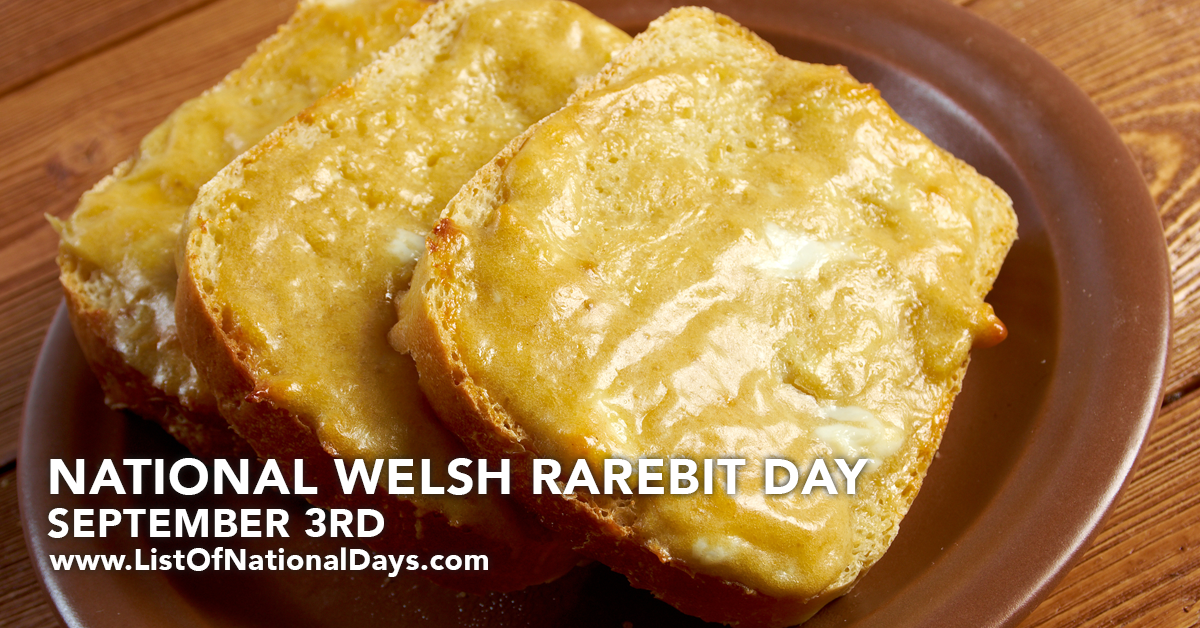
National Welsh Rarebit Day is celebrated annually on September 3rd to honor the classic British dish made with a savory cheese sauce and toasted bread. The day encourages people to enjoy the delicious and comforting meal, which has been a staple of British cuisine for centuries, and to appreciate the rich culinary traditions of the United Kingdom.
#HASHTAGS
#NationalWelshRarebitDay
National Welsh Rarebit Day is celebrated annually on September 3rd
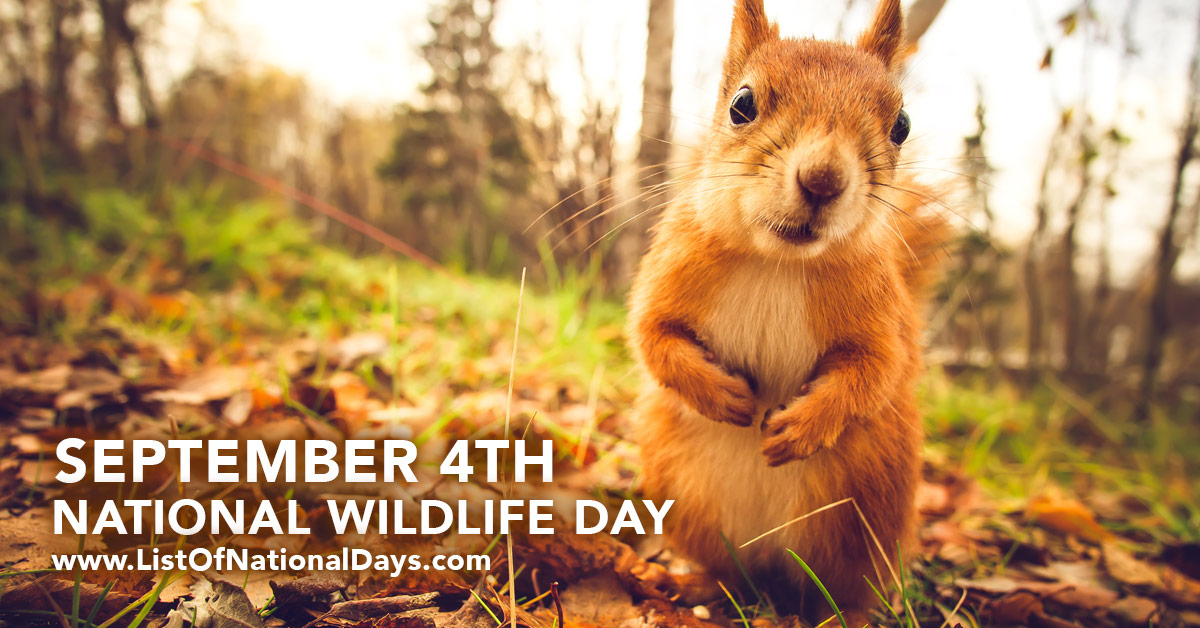
National Wildlife Day, observed annually on September 4th, is a day dedicated to raising awareness about the protection of wildlife and their habitats worldwide. Established in 2005 by Colleen Paige, a renowned pet and family lifestyle expert, this day honors the lives of wild animals and emphasizes the importance of wildlife conservation efforts. It’s a time to reflect on the incredible diversity of wildlife, learn about the challenges they face, and take action to protect endangered species and their ecosystems.
The History of National Wildlife Day
Colleen Paige founded National Wildlife Day in honor of Steve Irwin’s birthday, the birthday of the famous Australian wildlife conservationist and television personality who passed away in 2006. Irwin’s dedication to wildlife conservation, particularly his work with endangered species and his efforts to educate the public about the importance of wildlife protection, continues to inspire individuals and organizations worldwide.
National Wildlife Day aims to promote awareness of wildlife’s beauty, highlight the ongoing threats animals face due to habitat destruction, poaching, climate change, and pollution, and encourage people to get involved in efforts to safeguard animals and their environments. On this day, wildlife enthusiasts, conservationists, and animal lovers come together to celebrate the importance of wildlife and the urgent need for conservation.
Why National Wildlife Day Matters
National Wildlife Day is crucial for raising awareness about the importance of wildlife protection. Here are several reasons why this day matters:
Highlighting the Importance of Biodiversity: Biodiversity, or the variety of life on Earth, is essential for the health of ecosystems and the well-being of humans. Wild animals play key roles in maintaining the balance of ecosystems. For example, pollinators like bees and butterflies are critical for crop production, while apex predators like wolves help regulate the populations of other animals. National Wildlife Day encourages us to understand and appreciate the vital contributions of wildlife to the planet.
Focusing on Endangered Species: Many species worldwide face the threat of extinction due to habitat loss, poaching, and climate change. National Wildlife Day draws attention to these endangered species and encourages action to protect them. By highlighting the plight of species like the Amur leopard, Siberian tiger, Asian elephant, and rhinos, the day emphasizes the need for global efforts to preserve our planet’s biodiversity.
Raising Awareness About Conservation: National Wildlife Day provides an opportunity to reflect on the importance of wildlife conservation efforts, both locally and globally. Conservation initiatives help to protect endangered species, restore habitats, and promote sustainable practices. This day highlights the work of wildlife conservation organizations and the need for continued efforts to protect animals and their ecosystems.
Encouraging Community Engagement: National Wildlife Day encourages individuals, families, and communities to participate in wildlife protection activities. Everyone can contribute to wildlife conservation by volunteering, donating to wildlife charities, or supporting sustainable practices. The day serves as a reminder that we all have a role in protecting the planet’s wildlife.
Promoting Environmental Stewardship: Wildlife protection is closely tied to environmental sustainability. Wildlife preservation protects ecosystems from pollution, deforestation, and other harmful activities. National Wildlife Day is an opportunity to promote environmental stewardship and encourage individuals to reduce their carbon footprint, conserve water, and support initiatives that protect wildlife habitats.
How to Celebrate National Wildlife Day
There are many meaningful ways to observe National Wildlife Day, whether through education, action, or simple appreciation. Here are some ideas for how to celebrate this important day:
Support Wildlife Charities and Organizations: One of the best ways to celebrate National Wildlife Day is by supporting organizations dedicated to wildlife conservation. Consider donating to or volunteering with organizations like the World Wildlife Fund (WWF), Wildlife Conservation Society (WCS), or The Nature Conservancy. These organizations work tirelessly to protect endangered species and conserve natural habitats.
Visit a Wildlife Sanctuary or Zoo: Many wildlife sanctuaries and zoos offer educational programs and tours on National Wildlife Day to help raise awareness about conservation efforts. These places allow visitors to learn about different species and the efforts being made to protect them. Some sanctuaries even allow visitors to participate in hands-on conservation projects.
Adopt an Endangered Animal: Many wildlife organizations offer programs where you can symbolically adopt an endangered animal. By adopting an animal, you contribute to the conservation efforts that protect that species. This is a great way to show your support for wildlife protection and raise awareness about endangered species.
Educate Yourself and Others: National Wildlife Day is the perfect opportunity to educate yourself about wildlife conservation. Read books, watch documentaries, or attend seminars to learn about wildlife’s challenges and the solutions available. Share this knowledge with others to raise awareness and inspire action. You can also share wildlife facts and stories on social media to encourage others to participate in conservation efforts.
Reduce Your Environmental Impact: As part of National Wildlife Day, promote sustainability and reduce your environmental footprint. Small changes like reducing plastic waste, conserving water, choosing eco-friendly products, and supporting sustainable agriculture can help protect wildlife and their habitats.
Get Involved in Local Wildlife Protection Initiatives: Many communities offer opportunities to volunteer for wildlife conservation efforts, such as habitat restoration, animal monitoring, or wildlife rescue operations. Participating in these local initiatives helps contribute to the well-being of wildlife in your area and allows you to make a tangible impact.
Celebrate Wildlife Through Art and Creativity: If you enjoy creative activities, consider making wildlife-inspired art, whether through painting, photography, or crafting. You can use your artwork to raise awareness about conservation or donate it to wildlife auctions or fundraisers. Art can inspire people to take action and make a difference.
The Importance of Wildlife Conservation
Wildlife conservation is essential for maintaining biodiversity, preserving ecosystems, and ensuring species’ survival. Here are some key reasons why wildlife conservation is so important:
Creating Awareness for Future Generations: Engaging in wildlife conservation efforts, we help raise awareness among future generations about the importance of protecting the planet’s wildlife. Teaching young people about conservation ensures that they will continue the efforts to preserve biodiversity and protect endangered species.
Maintaining Ecological Balance: Each species plays a role in maintaining the balance of ecosystems. Predators, prey, plants, and pollinators work together to regulate populations and sustain healthy ecosystems. The loss of a species can have a ripple effect on the entire ecosystem, impacting other species and the environment.
Preventing Extinction: Many species are on the brink of extinction due to habitat loss, climate change, and illegal poaching. Conservation efforts help protect these species and prevent their extinction, ensuring that future generations can enjoy the beauty and diversity of wildlife.
Protecting Natural Resources: Wildlife and ecosystems provide essential services, such as clean air, water, and soil. Protecting wildlife also protects the resources vital for human survival and well-being.
Enhancing Human Health and Well-Being: Wildlife contributes to human health in various ways, such as providing medicinal resources, promoting biodiversity, and offering recreational opportunities. Healthy ecosystems and diverse wildlife improve the quality of life for all living creatures.
#HASHTAGS
#NationalWildlifeDay
National Wildlife Day is celebrated annually on September 4th
U.S. Bowling League Day is a holiday observed on September 3rd every year to celebrate the sport of bowling and the people who participate in bowling leagues across the country. It’s a day to recognize the camaraderie and friendly competition that exists within the bowling community.
#HASHTAGS
#USBowlingLeagueDay
U.S. Bowling League Day is celebrated annually on September 3rd
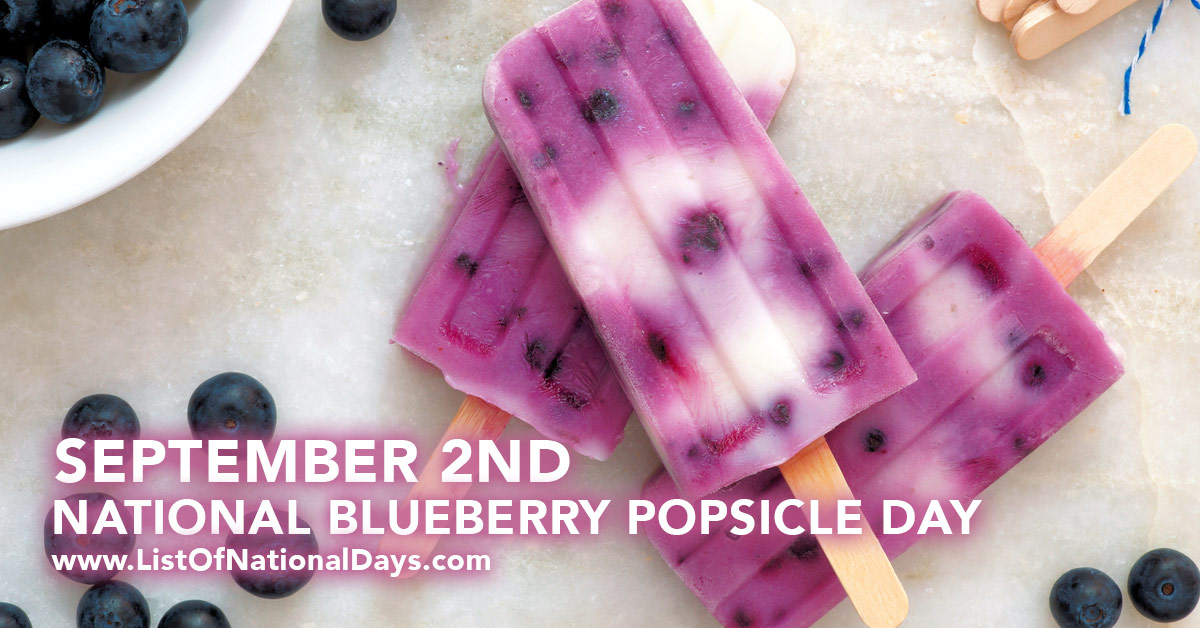
National Blueberry Popsicle Day, celebrated annually on September 2nd, is a fun and delicious occasion to enjoy one of the most refreshing and nutritious frozen treats: the blueberry popsicle. With its vibrant color, tangy flavor, and refreshing taste, the blueberry popsicle has become a favorite summertime snack, offering a cool way to enjoy the health benefits of blueberries. This day is a perfect excuse to indulge in the natural sweetness of blueberries and explore the many ways to enjoy this classic frozen treat.
The History of National Blueberry Popsicle Day
National Blueberry Popsicle Day was created to celebrate combining two beloved summertime elements: blueberriesand popsicles. Blueberries have long been known for their health benefits and delicious taste, while popsicles have been a staple in frozen treats since they were first invented in 1905 by Frank Epperson. Epperson accidentally invented the popsicle when he left a cup of flavored soda outside with a stirrer in it, and it froze overnight. This happy accident led to the creation of what would later become a popular treat for people of all ages.
The idea of pairing blueberries with popsicles likely came from the desire to combine the refreshing taste of fruit with a popsicle’s cooling, frozen experience. Blueberry popsicles are now a favorite treat, especially during the warm summer months, as they offer a sweet and tangy alternative to traditional popsicles.
National Blueberry Popsicle Day provides an opportunity to celebrate this frozen snack, enjoy the natural goodness of blueberries, and create your own fun and delicious variations of the treat.
Why National Blueberry Popsicle Day Matters
National Blueberry Popsicle Day holds significance for several reasons. It’s not just about enjoying a sweet treat—it’s also a time to celebrate the benefits of blueberries and to highlight the joy of simple, refreshing foods. Here’s why this day matters:
Celebrating the Health Benefits of Blueberries: Blueberries are often referred to as a “superfood” due to their high content of antioxidants, vitamin C, and fiber. These tiny berries are packed with nutrients that help fight free radicals, improve brain health, support heart health, and boost the immune system. National Blueberry Popsicle Day is a reminder of how delicious and nutritious blueberries can be, even when frozen into a tasty popsicle.
Encouraging Healthy Snack Choices: Popsicles are often seen as a fun treat, but many store-bought versions are loaded with sugar and artificial ingredients. National Blueberry Popsicle Day encourages people to make their own homemade popsicles using fresh ingredients, allowing for healthier, more natural snack options. By creating blueberry popsicles at home, you can control the ingredients and ensure that you’re offering a wholesome, nutritious snack.
Enjoying a Summertime Classic: Popsicles symbolize summer and the perfect way to cool down on a hot day. Blueberry popsicles, in particular, offer a refreshing burst of sweet and tangy flavor. National Blueberry Popsicle Day provides an excuse to indulge in this delightful frozen treat, whether it’s for a family gathering, a summer party, or a warm afternoon.
Supporting Seasonal Produce: Blueberries are in season during summer, making them a perfect fruit to highlight during National Blueberry Popsicle Day. By celebrating this day, you’re also supporting local farmers and encouraging the use of seasonal, fresh produce. Blueberries are versatile, easy to find, and perfect for making a variety of summer treats, including popsicles.
Promoting Fun and Creativity: National Blueberry Popsicle Day is an opportunity to get creative with your popsicle-making. You can experiment with different ingredients, mix flavors, and try various frozen treats with blueberries as the base. It’s a fun way to get the whole family involved in the kitchen and enjoy some hands-on cooking.
Health Benefits of Blueberries
Blueberries are delicious and packed with nutrients that offer numerous health benefits. Here are some of the reasons why blueberries are considered a superfood:
Rich in Antioxidants: Blueberries are one of the best sources of antioxidants, which help protect the body from oxidative stress and free radicals that can lead to aging and disease. Antioxidants also support immune health and reduce inflammation.
Brain Health: Studies have shown that blueberries may help improve cognitive function and delay age-related brain decline. The antioxidants in blueberries protect brain cells and may help prevent diseases like Alzheimer’s.
Heart Health: Blueberries are beneficial for heart health. They contain compounds that help lower blood pressure, reduce cholesterol levels, and improve blood vessel function, reducing the risk of heart disease.
Improved Digestion: Blueberries are a good source of dietary fiber, which promotes healthy digestion and helps maintain a healthy gut. The fiber in blueberries also helps regulate blood sugar levels and supports a healthy metabolism.
Boosts Immune System: Blueberries’ high vitamin C content helps support the immune system, helping the body fight infections and illnesses. Vitamin C contributes to healthy skin, gums, and overall immune function.
Creative Ways to Celebrate National Blueberry Popsicle Day
Celebrating National Blueberry Popsicle Day is a fun way to get creative in the kitchen and enjoy the refreshing taste of blueberries. Here are some ideas to help you make the most of this delicious day:
Decorate Your Popsicles: Add flair to your blueberry popsicles by decorating them with toppings like coconut flakes, chopped nuts, or sprinkles. These fun decorations will make your popsicles even more festive and enjoyable.
Make Homemade Blueberry Popsicles: The best way to celebrate this day is by making your own blueberry popsicles. Blend fresh blueberries with yogurt, honey, or lemon juice for a healthy, creamy treat. You can also mix in other fruits like strawberries, raspberries, or kiwi for a fun fruit combination.
Try a Blueberry Coconut Popsicle: Combine fresh blueberries with coconut milk for a tropical twist on your popsicle. The creamy texture of coconut milk pairs perfectly with the tangy sweetness of blueberries, creating a refreshing and indulgent treat.
Frozen Blueberry Yogurt Bites: If you prefer a bite-sized treat, try freezing whole blueberries covered in Greek yogurt. These bite-sized blueberry popsicles are easy to make and offer a refreshing and healthy snack that’s perfect for summer.
Host a Popsicle-Making Party: Invite friends and family to join you in making homemade blueberry popsicles. Set up a popsicle station with various fruits, juices, and flavoring options so everyone can create their own unique frozen treats.
Blend Blueberries into Smoothies: While not technically a popsicle, you can still celebrate National Blueberry Popsicle Day by blending fresh blueberries into smoothies. Combine blueberries with spinach, banana, and almond milk for a healthy and refreshing smoothie that’s just as cool and delicious as a popsicle.
Blueberry Popsicle Float: Combine your blueberry popsicles with lemonade or sparkling water to create a fun, fizzy popsicle float. The tangy, sweet popsicles float in the drink, creating a fun and refreshing twist on a traditional float.
#HASHTAGS
#NationalBlueberryPopsicleDay
National Blueberry Popsicle Day is celebrated annually on September 2nd
International Homeless Animals’ Day is an annual observance on the third Saturday of August that seeks to raise awareness about the issue of pet overpopulation and encourage spaying/neutering and adoption of pets from animal shelters and rescue groups. It was first
#HASHTAGS
#InternationalHomelessAnimalsDay
International Homeless Animals’ Day is celebrated annually on the third Saturday in August
La Tomatina, held annually on the last Wednesday of August, is one of the world’s most iconic and thrilling festivals. Taking place in the small town of Buñol, Spain, La Tomatina has become a global phenomenon, drawing thousands of people from around the world to partake in the world’s largest food fight. What started as a local tradition has grown into a wild celebration where participants throw over 100 tons of tomatoes in the streets, all for fun, camaraderie, and a shared love for food and culture.
The History of La Tomatina
La Tomatina traces its origins back to 1945 when a group of young people attending a local festival in Buñol decided to start a spontaneous tomato fight during a parade. The local townspeople didn’t approve, and the police intervened, but the tomatoes kept flying, and the event became a yearly occurrence. Over time, the tradition caught on, and La Tomatina became the massive food fight we know today.
Initially, there was no official permission to throw tomatoes, and it took several years before the event became an organized festival. In the 1950s, local authorities attempted to stop the chaos, even going so far as to remove tomato suppliers. Still, the public’s desire for the fun, playful event was too strong to ignore. By 1957, the town officially acknowledged the event, and the festival was held annually, with rules and regulations for safety. Today, La Tomatina is a well-regulated and highly anticipated event that draws crowds from across the globe.
The Spanish Ministry of Culture now recognizes the festival as an event of international tourist interest, cementing La Tomatina’s status as one of the world’s most exciting and unusual festivals.
Why La Tomatina is Famous
La Tomatina is famous for several reasons, making it one of the world’s most anticipated and talked-about festivals. Here’s why it’s become such a significant event:
A Unique and Fun Tradition: Unlike other festivals that celebrate music, dance, or religious practices, La Tomatina stands out because it involves one thing: tomatoes. The sheer absurdity of throwing tomatoes at one another in the streets captures the spirit of fun and spontaneity, making it a thrilling experience for participants.
Global Appeal: Originally a local tradition, La Tomatina has evolved into a worldwide event. Every year, people from all corners of the world travel to Buñol to experience the excitement of the food fight, creating an international community of participants. The event’s vibrant, inclusive atmosphere and ability to unite people from diverse backgrounds make it a universal celebration.
Food, Fun, and Camaraderie: While the event is a wild, messy, free-for-all, it’s also an opportunity for people to come together and share a unique experience. There’s a sense of camaraderie as people engage in the massive tomato fight, creating a fun and joyful environment where participants can forget about the stresses of daily life and enjoy the moment.
The Spectacle: La Tomatina is a feast for the eyes. The streets of Buñol become a sea of red as tomatoes explode upon impact. The visual spectacle of thousands of people covered in tomato pulp, laughing and throwing tomatoes, makes the festival a unique and unforgettable event.
It’s All About the Tomatoes: At its core, La Tomatina is about the love of food—specifically, tomatoes. The tomatoes used in the festival are typically overripe, making them easy to squish and less likely to cause injury. The use of food for play, rather than consumption, gives the event a distinctive, playful twist and highlights the connection between food and celebration.
How La Tomatina Works
The event is organized with safety in mind, ensuring participants have a safe and enjoyable experience. Here’s how the festival works:
The Start of the Festival: The event officially begins with the “palo jabon,” a tradition in which” participants try to climb a greased pole to reach a ham at the top. This chaotic, fun challenge marks the start of the tomato-throwing event, signaling the beginning of La Tomatina.
The Tomato Fight: Once the signal is given, trucks loaded with over 100 tons of tomatoes drive through the streets of Buñol, and participants begin throwing the tomatoes at each other. The fight typically lasts about an hour, with people hurling tomatoes at everyone in sight. The event rules include squashing tomatoes before throwing them to reduce the risk of injury, and participants are asked to refrain from throwing anything other than tomatoes.
Safety Precautions: While the festival is wild and messy, safety is a top priority. Plenty of local law enforcement officers and volunteers monitor the event and ensure everyone adheres to the rules. Participants are also given safety instructions before entering the streets to minimize the risk of injury.
Cleaning Up: After the fight is over, the streets of Buñol are left covered in tomato pulp, creating a red, slippery mess. But don’t worry—cleanup is part of the fun. Local authorities bring in water trucks to wash down the streets, and participants often pitch in to help clean up. The streets are soon restored to their usual state, ready for the next year’s festivities.
How to Participate in La Tomatina
If you’re considering attending La Tomatina, here are some essential tips for participating in this iconic festival:
Book Early: La Tomatina draws huge crowds, so it’s important to book your accommodations early. Hotels and hostels in Buñol fill up quickly, and many tourists stay in nearby cities like Valencia and take buses to the event.
Wear Old Clothes: Since you’ll be covered in tomatoes, it’s best to wear old clothes that you don’t mind getting ruined. Many participants wear white T-shirts, as the red tomato stains make for great photo opportunities.
Arrive Early: Arriving early will allow you to secure a good spot in the crowd. The main event takes place in the streets, where you’ll be surrounded by hundreds or even thousands of people.
Protect Your Eyes: Safety goggles are highly recommended to protect your eyes from the acidic tomato juice. Wearing them will allow you to enjoy the event without discomfort.
Follow the Rules: Listen to the safety instructions and follow the rules of the event. Squash the tomatoes before throwing them, avoid throwing anything other than tomatoes, and be respectful of other participants.
The Cultural Significance of La Tomatina
La Tomatina is more than just a food fight—it’s a cultural event that showcases the joy, creativity, and energy of Spanish traditions. It reflects the Spanish spirit of fiesta and celebrates community, where people come together to create a shared experience that transcends language, nationality, and background.
The festival also symbolizes the importance of fun and play in our lives. La Tomatina offers a joyful, carefree escape in a world that often focuses on productivity and seriousness. It reminds us that, sometimes, it’s okay to let loose, make a mess, and enjoy the moment.
#HASHTAGS
#LaTomatina
La Tomatina is celebrated annually on the last Wednesday in August
International Geocaching Day is an annual event that takes place on the third Saturday of August each year. It celebrates the global community of geocachers who use GPS devices to find hidden caches around the world, and encourages new participants to discover the joys
#HASHTAGS
#InternationalGeocachingDay
International Geocaching Day is celebrated annually on the third Saturday in August