Little League Girls Baseball Day is an event that promotes and celebrates girls’ involvement in baseball. It is a day where girls can come together to play baseball, learn new skills and techniques, and be inspired by female role models in the sport. The event
#HASHTAGS
#LittleLeagueGirlsBaseballDay
When is Little League Girls Baseball Day
Little League Girls Baseball Day is celebrated annually on June 12th
Jelly-Filled Doughnut Day is a food holiday celebrated annually on June 8th. It recognizes the deliciousness of doughnuts filled with sweet, fruity jelly. People celebrate by indulging in this tasty treat and sharing pictures of jelly-filled dough
#HASHTAGS
#JellyFilledDoughnutDay
When is Jelly-Filled Doughnut Day
Jelly-Filled Doughnut Day is celebrated annually on June 8th
Love Island day is a term used to refer to a day when a new episode of the popular reality TV show Love Island is broadcast. The show features single contestants who live together in a villa and compete to form romantic relationships and avoid elimination.
#HASHTAGS
#LoveIslandDay
When is Love Island Day
Love Island Day is celebrated annually on June 5th
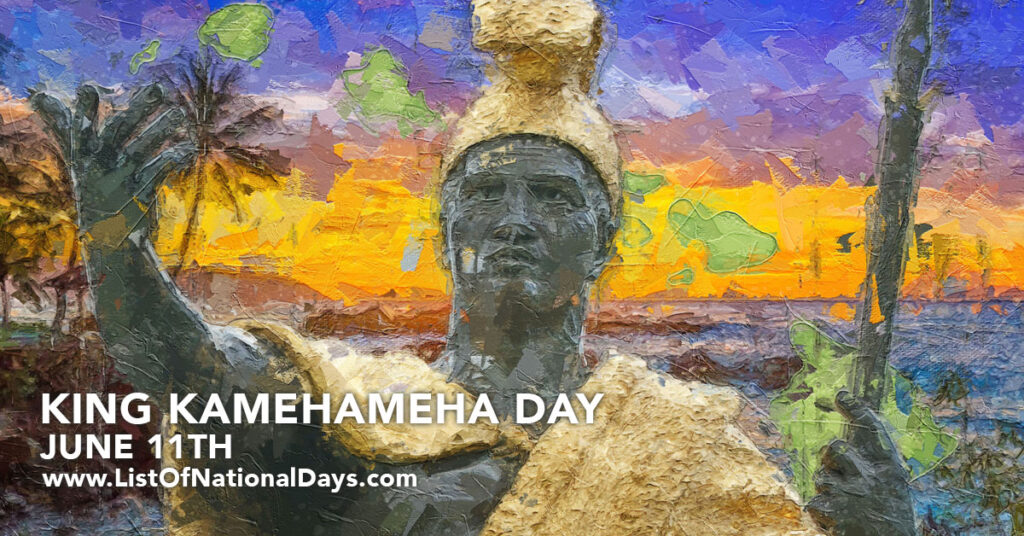
King Kamehameha Day, celebrated annually on June 11th, is a significant holiday in Hawaii that honors the life and legacy of King Kamehameha I, the ruler who united the Hawaiian Islands and laid the foundation for modern Hawaii. As one of the most respected figures in Hawaiian history, he is remembered for his leadership, vision, and dedication to preserving the culture and sovereignty of the Hawaiian people.
What is King Kamehameha Day?
King Kamehameha Day is a public holiday in Hawaii commemorating King Kamehameha I, born on June 11th, 1736. The holiday was officially established in 1871, during the reign of King Kamehameha V, as a way to honor the first king of the Hawaiian Kingdom. The day is celebrated across all the Hawaiian Islands, with parades, cultural festivals, ceremonies, and activities that reflect the state’s rich history and culture.
King Kamehameha I, also known as Kamehameha the Great, is widely revered for uniting the Hawaiian Islands under one rule in 1810, a feat that required immense strength, diplomacy, and strategic prowess. His leadership was pivotal in preserving Hawaii’s independence and traditions when foreign influence became increasingly influential.
The Legacy of King Kamehameha I
Unification of the Hawaiian Islands: Before King Kamehameha I ascended to the throne, the Hawaiian Islands were divided into several independent chiefdoms. Through military conquest, alliances, and diplomacy, Kamehameha unified the islands into one kingdom. His reign marked the beginning of a centralized government and a unified political system that would endure for over a century.
Protection of Hawaiian Culture and Sovereignty: Kamehameha I was deeply committed to protecting Hawaiian culture and sovereignty. He established a strong legal system, which included the Kapu system, a set of laws and traditions that governed the behavior of Hawaiian society. Though the Kapu system was eventually abolished in 1819, King Kamehameha’s efforts to maintain Hawaii’s traditions and cultural identity ensured the island kingdom remained intact during foreign expansion and colonization attempts.
The Kamehameha Dynasty: King Kamehameha I established the Kamehameha Dynasty, which would rule Hawaii for nearly a century. The legacy of the Kamehameha family continued to shape Hawaii’s political landscape, even after the monarchy was overthrown in 1893.
Economic and Strategic Development: Kamehameha I worked to improve Hawaii’s economy and infrastructure. Under his reign, Hawaii became a critical Pacific trade center, attracting merchants from Europe, the United States, and Asia. Kamehameha’s strategic use of Hawaii’s location helped elevate the islands as a key player in international commerce.
Celebrations and Traditions
King Kamehameha Day is celebrated with great pride in Hawaii, with various cultural events and traditions that highlight the state’s rich heritage and honor the legacy of its first king. Here are some of the most common ways this Day is celebrated:
King Kamehameha Day Parades: One of the most iconic celebrations of King Kamehameha Day is the annual King Kamehameha Day Parade, which takes place in Honolulu, Oahu, and other Hawaiian islands. The parade features a vibrant procession of traditional Hawaiian music, hula performances, and colorful floats. The parade’s highlight is the sight of participants dressed in traditional Hawaiian attire, including those representing the royal family and Kamehameha himself.
Floral Tributes and Lei Draping: A central tradition of King Kamehameha Day is draping leis over Kamehameha I statues, notably the famous statue in front of the Hawaii State Capitol in Honolulu. These leis, made of colorful flowers, symbolize respect and honor for the king. The lei-draping ceremony is often accompanied by music, hula dancing, and community gatherings.
Cultural Festivals: Throughout Hawaii, King Kamehameha Day is marked by cultural festivals celebrating Hawaiian music, dance, food, and arts. These festivals allow locals and visitors alike to immerse themselves in the traditions of Hawaii, experiencing performances by hula dancers, traditional Hawaiian chants, and live music played on native instruments such as the `ukulele and slack-key guitar.
Hula Performances and Competitions: the traditional Hawaiian dance plays a key role in celebrating this day. Performances and competitions showcase the art of hula, with dancers performing to the rhythms of chanting and song. These performances are an essential way to honor Hawaii’s cultural heritage and the legacy of the king.
Educational Programs and Historical Exhibits: Many museums and cultural centers in Hawaii hold special events, educational programs, and historical exhibits on King Kamehameha Day. These programs offer visitors the opportunity to learn more about Kamehameha I’s life, his contributions to Hawaiian history, and the historical context of his reign. Some events also feature guest speakers, local historians, and cultural practitioners.
Community Gatherings: Across the islands, local communities come together to honor King Kamehameha with celebrations that include family picnics, barbecues, and other festive activities. These gatherings foster a sense of unity and pride among Hawaii’s residents as they remember the historical significance of their first king.
How to Celebrate
If you are in Hawaii or wish to join in the celebration, here are some ways to observe the day:
Support Hawaiian Arts and Culture: Support Hawaiian artisans, musicians, and dancers by attending performances or purchasing local crafts. Participating in cultural activities helps preserve and promote Hawaii’s rich traditions.
Attend a Local Parade or Event: Join in the festivities by attending one of the many parades or community celebrations. Whether in Honolulu, Hilo, or another part of Hawaii, these events are filled with cultural performances, music, and Hawaiian traditions.
Visit Statues: Visit one of the many statues of King Kamehameha I, such as the famous statue in Honolulu, and take part in the tradition of offering a lei in tribute. This is a meaningful way to honor his legacy and appreciate the role he played in shaping Hawaii’s history.
Learn About Hawaiian History: Take the time to learn about King Kamehameha I and Hawaiian history. Visit local museums, historical sites, and cultural centers to deepen your understanding of his life and the cultural heritage of Hawaii.
#HASHTAGS
#KingKamehamehaDay
When is King Kamehameha Day
King Kamehameha Day is celebrated annually on June 11th
National Almond Buttercrunch Day is an observance celebrated on June 29th in the United States. It is a day to enjoy and appreciate the sweet candy made with butter, sugar, almonds, and chocolate. Almond buttercrunch is
#HASHTAGS
#NationalAlmondButtercrunchDay
When is National Almond Buttercrunch Day
National Almond Buttercrunch Day is celebrated annually on June 29th
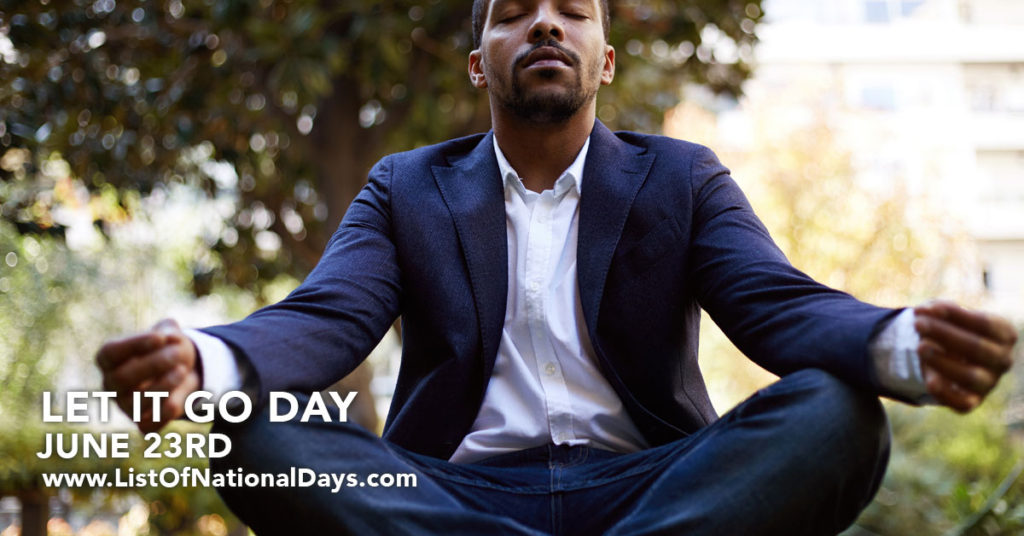
Let It Go Day is a holiday dedicated to releasing and moving on from negative emotions, grudges, or unresolved issues. It encourages people to let go of anything that may be holding them back and embrace the present moment.
Juneteenth, celebrated annually on June 19, is one of the most important holidays in American history. It commemorates the end of slavery in the United States. Also known as Emancipation Day or Freedom Day, Juneteenth marks the moment when enslaved African Americans in Texas were finally informed of their freedom, over two years after President Abraham Lincoln’s Emancipation Proclamation had been signed in 1863. This day celebrates freedom, resilience, and the ongoing pursuit of equality, making it an essential part of American cultural and historical consciousness.
What is Juneteenth?
Juneteenth, a blend of the words “June” and “nineteenth,” commemorates the day in 1865 when Union General Gordon Granger arrived in Galveston, Texas, and informed enslaved African Americans that they were free. This announcement came on June 19, 1865, more than two years after President Abraham Lincoln signed the Emancipation Proclamation on January 1, 1863, declaring the freedom of enslaved people in Confederate states.
The delay in enforcing the Proclamation in Texas was largely due to the remote location and limited Union presence. Juneteenth represents the delayed yet pivotal moment when freedom was finally realized for the last enslaved people in the Confederacy. It is a day to reflect on the history of slavery, the struggles for independence, and the ongoing efforts for racial equality in America.
The History of Juneteenth
The Emancipation Proclamation: On January 1, 1863, President Abraham Lincoln issued the Emancipation Proclamation, which declared that all enslaved people in Confederate states were free. However, due to the Civil War and limited enforcement in rebel territories, the Proclamation had little immediate effect on the lives of those enslaved in the South.
Union Forces Arrive in Texas: In June 1865, General Gordon Granger and his Union soldiers arrived in Galveston, Texas, where they announced General Order No. 3, which read in part: “The people of Texas are informed that, in accordance with a Proclamation from the Executive of the United States, all slaves are free.” This news was met with jubilation and celebration, marking a defining moment in American history.
Celebrating Freedom: Following the announcement, African Americans in Texas began to celebrate their newfound freedom. Juneteenth quickly became a day of reflection, joy, and community gathering, with families coming together to honor their freedom and heritage. The celebration of Juneteenth began in Texas and spread to other parts of the country as African Americans migrated westward and northward.
The Importance of Juneteenth Today: Juneteenth is a day to honor the struggles and sacrifices made for freedom, but it is also a day of celebration and recognition of the progress that has been made toward racial equality. While Juneteenth holds deep significance for African American communities, it has grown into a national holiday that people of all races and backgrounds observe as a time to reflect on American history and the ongoing fight for justice and equality.
The Significance of Juneteenth
Commemoration of Freedom: Juneteenth is a powerful reminder of the significance of freedom in American history. It celebrates the end of slavery, the resilience of African American communities, and the triumph of hope and justice. While the Emancipation Proclamation marked a crucial step toward ending slavery, Juneteenth represents the moment when that freedom was fully realized for those who had endured the horrors of enslavement.
A Time for Reflection: Juneteenth provides an opportunity to reflect on the history of slavery, its impact on African American communities, and the ongoing struggle for civil rights. The day encourages conversations about race, inequality, and the historical roots of systemic injustice. It is a day to celebrate progress and acknowledge the work that remains in building an equitable society.
Celebrating African American Culture: Juneteenth also celebrates African American culture, history, and societal contributions. It highlights the achievements and resilience of African Americans throughout history, including during and after the period of slavery. Juneteenth is a time to honor the African American community’s cultural traditions, artistic expressions, and leadership.
Unity and National Healing: Juneteenth is a day that brings people together across racial, cultural, and regional lines. It promotes unity, understanding, and healing as people come together to celebrate freedom and reflect on the shared history of the United States. By acknowledging Juneteenth, we contribute to the ongoing efforts to build a more inclusive and just society.
How is Juneteenth Celebrated?
Community Gatherings and Parades: Many cities and towns host parades, festivals, and public celebrations to honor Juneteenth. These events often include music, dancing, food, and cultural performances. Parades may feature historical reenactments, reflecting the significance of the Emancipation Proclamation and the announcement in Texas.
Educational Programs and Discussions: Juneteenth is a time for learning and reflection. Schools, museums, and cultural organizations often host educational programs, lectures, and discussions to teach about the history of slavery, the Civil War, and the African American experience. These events offer opportunities for people to learn about the struggles for freedom and the significance of Juneteenth.
Family and Community Celebrations: Many families celebrate Juneteenth by coming together for picnics, barbecues, and family gatherings. These celebrations often include traditional African American dishes, music, and storytelling. It is a time for communities to reflect on their history while enjoying food, fellowship, and fun.
Volunteer and Advocacy Work: Some people observe Juneteenth by participating in community service or volunteering with organizations that support racial equality and justice. Juneteenth can also be a time to engage in advocacy work, such as supporting civil rights organizations or participating in activism to address racial inequalities in modern society.
Art and Cultural Exhibitions: Juneteenth is also a time to celebrate African American art, music, and culture. Many museums and galleries host exhibitions highlighting African American history and cultural contributions. Live performances, including jazz, gospel, and hip-hop music, are often part of the celebrations, as well as theater productions and poetry readings.
Why Juneteenth Matters Today
Encouraging Dialogue and Unity: By celebrating Juneteenth, people of all backgrounds can come together to engage in meaningful conversations about race, history, and justice. It provides an opportunity to learn, share experiences, and build understanding. Juneteenth encourages the healing of past wounds and promotes unity and reconciliation for a better future.
A Reminder of the Ongoing Struggle for Equality: While Juneteenth marks the end of slavery, it also serves as a reminder that the fight for racial equality continues. Despite significant progress, racial inequality persists in many areas of American life, including education, employment, healthcare, and the criminal justice system. Juneteenth is a call to action, encouraging individuals to engage in efforts that promote justice and equality.
Honoring the Legacy of the Civil Rights Movement: Juneteenth is an opportunity to honor the achievements of the Civil Rights Movement and the leaders who fought for equality. It is a day to reflect on the progress made since the abolition of slavery and to recognize the ongoing efforts to dismantle systemic racism in society.
National Apple Strudel Day is a food-related holiday celebrated on June 17th each year. It is a day to honor and indulge in the delicious baked pastry that originated in Austria and is typically filled with apple, cinnamon, and raisins.
#HASHTAGS
#NationalAppleStrudelDay
When is National Apple Strudel Day
National Apple Strudel Day is celebrated annually on June 17th