What National Days are there in April? Find all the most noteworthy National Days, Horoscopes, Observances and Celebrity Birthdays at listofnationaldays.com.
National Auctioneers Day is dedicated to recognizing and appreciating the professional auctioneers’ role in promoting sales and commerce while also raising funds for various charities and organizations through the auction method.
#HASHTAGS
#NationalAuctioneersDay
National Auctioneers Day is celebrated annually on the third Thursday of April.
National Take Our Sons And Daughters To Work Day, also known as Please Take My Children to Work Day or Please Bring My Children to Work Day, is an annual event in which parents and guardians bring their children to their workplaces to provide the children with an opportunity to learn about different professions and career options through observation.
#HASHTAGS
#NationalTakeOurSonsAndDaughtersToWorkDay
National Take Our Sons And Daughters To Work Day is celebrated annually on the fourth Thursday in April.
Every year, on the Wednesday of the last whole week in April, businesses and organizations celebrate National Administrative Professionals Day to recognize the essential contributions of administrative professionals. From managing schedules and coordinating office operations to ensuring seamless communication, these professionals play a critical role in the success of workplaces across all industries.
The History of National Administrative Professionals Day
Originally known as National Secretaries Day, this observance was established in 1952 by the National Secretaries Association (now the International Association of Administrative Professionals – IAAP). The goal was to promote the importance of secretarial work and encourage more individuals to enter the profession. Over the years, the name evolved to Administrative Professionals Day to reflect the expanding roles of office support staff in modern workplaces.
Why Administrative Professionals Matter
Administrative professionals are the unsung heroes of the workplace. Their contributions include:
Efficient Office Management – Keeping businesses running smoothly by handling schedules, meetings, and daily tasks.
Strong Communication & Coordination – Acting as the bridge between employees, executives, and clients.
Problem-solving & Multitasking – Managing multiple responsibilities while ensuring deadlines are met.
Tech-Savviness – Utilizing technology to improve efficiency, from scheduling software to project management tools.
Creating a Positive Work Environment – Fostering teamwork, organizing office events, and maintaining morale.
Ways to Celebrate National Administrative Professionals Day
There are many ways to show appreciation for administrative professionals on this special day:
Say Thank You – A heartfelt note, email, or in-person recognition can significantly impact you.
Give a Thoughtful Gift – Flowers, gift cards, personalized office supplies, or a lunch treat are great ways to show gratitude.
Host a Recognition Event – Organize a team luncheon or small celebration to honor their hard work.
Provide Professional Development Opportunities – Investing in their growth through training, workshops, or courses shows appreciation beyond a single day.
Share on Social Media – Use #AdministrativeProfessionalsDay to highlight the contributions of your team members.
Fun Facts About Administrative Professionals
There are over 3.5 million administrative professionals in the United States alone.
The profession has evolved significantly, with many administrative roles now involving project management, HR support, and data analysis.
Some of the most successful business leaders credit their assistants as key players in their achievements.
Many administrative professionals possess advanced technical skills, including software, analytics, and communication platform expertise.
#HASHTAGS
#NationalAdministrativeProfessionalsDay
National Administrative Professionals Day is celebrated annually on the Wednesday of the last full week in April.
Pinhole Photography Day is an international event celebrated every year on the last Sunday of April that promotes and celebrates the art and science of pinhole photography.
#HASHTAGS
#PinholePhotographyDay
Pinhole Photography Day is celebrated annually on April 30th.
International Jazz Day is an annual event celebrated on April 30th to raise awareness about jazz music and its role in promoting intercultural dialogue, understanding, and unity. It is organized by UNESCO and features events and concerts all around the world.
#HASHTAGS
#InternationalJazzDay
International Jazz Day is celebrated annually on April 30th.
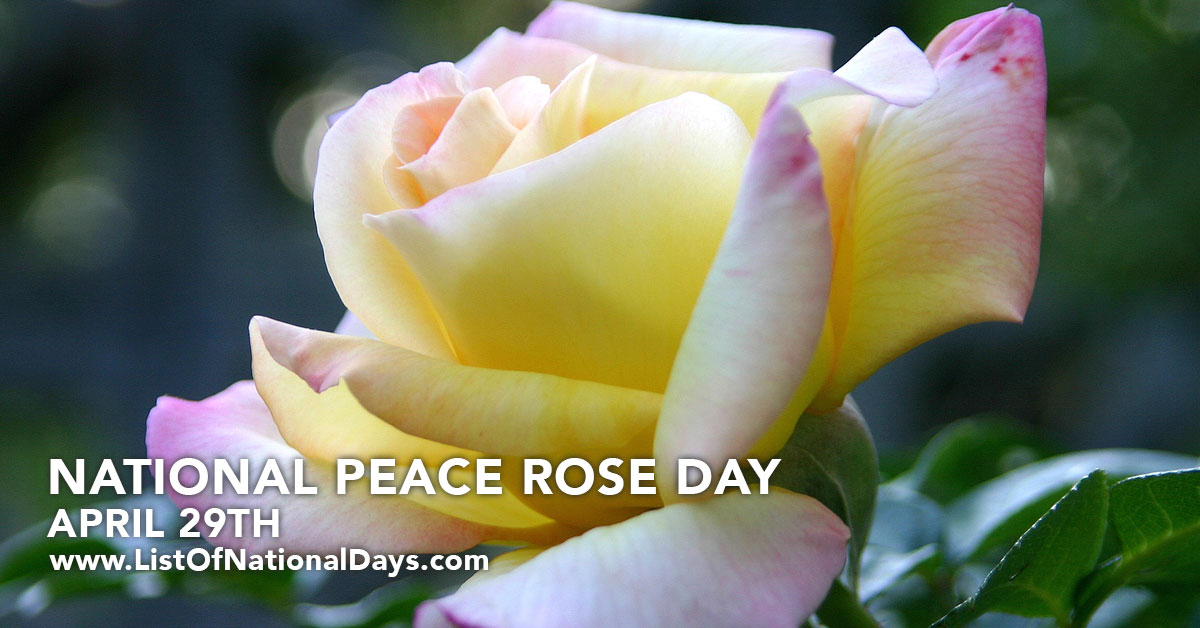
National Peace Rose Day is a day set aside to commemorate the Peace Rose, a unique and striking pink and yellow rose variety created by French horticulturist Francis Meilland.
#HASHTAGS
#NationalPeaceRoseDay
National Peace Rose Day is celebrated annually on April 29th.
National Shrimp Scampi Day is a food-related holiday that celebrates the Italian-American dish of shrimp scampi. This dish typically consists of large, succulent shrimp cooked in a garlic and butter sauce and served over pasta.
#HASHTAGS
#NationalShrimpScampiDay
National Shrimp Scampi Day is celebrated annually on April 29th.
Every year on April 29th, dancers and enthusiasts worldwide celebrate International Dance Day, a day dedicated to the art of dance and its universal impact on culture, expression, and well-being. Established by the International Theatre Institute (ITI) in 1982, this special day highlights the power of dance as a means of communication that transcends language, nationality, and background barriers.
The History of International Dance Day
International Dance Day was created by the International Theatre Institute (ITI), UNESCO’s main partner, to promote dance as a unifying art form and encourage participation in dance activities worldwide. The date was chosen to honor the birthday of Jean-Georges Noverre (1727-1810), a French dancer and master known as the creator of modern ballet.
Why International Dance Day is Important
Dance has played an essential role in human history, serving as a form of expression, celebration, and storytelling. This day is important because it:
Promotes Cultural Awareness – Dance showcases traditions, values, and histories worldwide.
Encourages Creativity and Expression – Movement is a powerful way to express emotions and ideas.
Boosts Physical and Mental Health – Dancing improves cardiovascular health, flexibility, and mental well-being.
Unites People Across Borders – Regardless of background, dance brings communities together.
How to Celebrate International Dance Day
Whether you are a professional dancer or enjoy moving to the rhythm, there are many ways to celebrate International Dance Day:
Attend a Dance Performance – Support local or virtual dance shows featuring different styles and cultures.
Take a Dance Class – Try a new dance form such as ballet, salsa, hip-hop, or contemporary.
Share Your Moves on Social Media – Use #InternationalDanceDay to showcase your dance routines and connect with fellow dancers.
Host a Dance Party – Gather friends and family to celebrate with music and movement.
Learn About Dance History – Explore the evolution of dance and its impact on different cultures.
Engage in Community Dance Events – Join global dance challenges or flash mobs to spread the joy of movement.
Fun Facts About Dance
The Salsa dance style originated in the Caribbean and became popular worldwide in the 20th century.
Dance has been a part of human culture for over 9,000 years, with early depictions found in ancient cave paintings.
Ballet slippers were first created in the 18th century, but pointe shoes were later introduced to enhance grace and precision.
The Guinness World Record for the largest dance class was set in 2007 in Mexico City, with over 26,000 participants.
Breakdancing will make its Olympic debut in the Paris 2024 Summer Olympics.
#HASHTAGS
#InternationalDanceDay
International Dance Day is celebrated annually on April 29th.
Go Birding Day is an annual celebration to encourage and promote birdwatching worldwide. It is a day to appreciate the beauty of birds and their importance in the ecosystem, raising awareness about conservation efforts and providing education about birds.
#HASHTAGS
#GoBirdingDay
Go Birding Day is celebrated annually on the last Saturday in April.