Mariachi Day, also known as National Mariachi Day, is a celebration of the traditional Mexican music genre known as Mariachi. It promotes the cultural heritage of Mexico and the importance of Mariachi music.
#HASHTAGS
#MariachiDay
Mariachi Day is celebrated annually on January 21st
Museum Selfie Day is an annual event that encourages people to visit museums and snap selfies with their favorite exhibits, sculptures, and artworks. It is celebrated globally using the hashtag #MuseumSelfieDay.
#HASHTAGS
#MuseumSelfieDay
Museum Selfie Day is celebrated annually on January 18th
National Bakers-Crafters-Makers Day is a day dedicated to celebrating the creativity, skill, and passion of bakers, crafters, and makers. It’s an opportunity to recognize their contributions to society and to encourage people to support small businesses.
#HASHTAGS
#NationalBakersCraftersMakersDay
National Bakers-Crafters-Makers Day is celebrated annually on January 21st
National Bagel Day, celebrated every year on January 15, honors one of the most beloved breakfast foods in the world — the bagel. With its signature chewy interior, crisp outer crust, and endless topping possibilities, the bagel has become a staple in bakeries, cafés, and kitchens everywhere.
From classic New York–style bagels to modern gourmet creations, National Bagel Day is the perfect excuse to indulge in this timeless comfort food and appreciate its rich cultural history.
The History of the Bagel
Bagels date back to 17th-century in Eastern Europe, where they were first made by Jewish communities in Poland. Traditionally boiled before baking, bagels were prized for their long shelf life and distinctive texture.
The bagel arrived in the United States in the late 1800s with Jewish immigrants, particularly in New York City. By the mid-20th century, bagels had become a mainstream food across America, eventually evolving into countless regional styles and flavors.
National Bagel Day celebrates this journey — from humble origins to global popularity.
Why Bagels Are So Popular
Unique Texture: The boiling and baking process creates the perfect chewy bite.
Versatility: Bagels work for breakfast, lunch, or even dinner.
Endless Toppings: Sweet or savory — there’s a bagel combination for everyone.
Cultural Icon: Especially associated with New York City food culture.
Convenient and Filling: Easy to grab, satisfying, and customizable.
Popular Types of Bagels
Plain Bagel: A classic base for any topping
Everything Bagel: Topped with sesame seeds, poppy seeds, garlic, onion, and salt
Sesame or Poppy Seed: Traditional and flavorful
Cinnamon Raisin: A sweet favorite
Blueberry: Perfect with cream cheese
Whole Wheat or Multigrain: A heartier option
Best Bagel Toppings
Cream cheese (plain, scallion, veggie, or flavored)
Smoked salmon and capers
Butter or honey
Peanut butter or Nutella
Avocado and egg
Bacon, egg, and cheese
Bagels can be simple or stacked high — either way, they’re delicious.
How to Celebrate National Bagel Day
Visit a Local Bagel Shop: Support small bakeries and try a fresh, hand-rolled bagel.
Host a Bagel Brunch: Set up a bagel bar with a variety of toppings for friends or coworkers.
Try a New Flavor: Step outside your usual order and explore something new.
Bake Bagels at Home: Making bagels from scratch can be a fun and rewarding challenge.
Share Online: Post your bagel photos using #NationalBagelDay.
Fun Facts About Bagels
Traditional bagels are boiled before baking, unlike most breads.
The hole in the middle helps bagels cook evenly.
New York City is famous for its bagels, partly due to the mineral content of its water.
Americans consume hundreds of millions of bagels every year.
Bagels were once sold by street vendors stacked on wooden poles.
Bagels in Modern Food Culture
Today, bagels are more popular than ever. From gourmet bagel sandwiches to viral bagel creations on social media, this classic bread continues to evolve. Gluten-free, vegan, and artisanal bagels ensure that nearly everyone can join the celebration.
National Bagel Day highlights how a simple baked good can remain relevant while adapting to changing tastes and trends.
#HASHTAGS
#NationalBagelDay
National Bagel Day is celebrated annually on January 15th
Macintosh Computer Day is an annual observance that celebrates the launch of the original Apple Macintosh computer on January 24, 1984. It recognizes the impact that the Macintosh had on personal computing and technology innovation.
#HASHTAGS
#MacintoshComputerDay
Macintosh Computer Day is celebrated annually on January 24th
National Booch Day is a holiday celebrated to raise awareness about Kombucha, a fermented tea drink with potential health benefits for the body. It is a day where people come together to appreciate and enjoy this beverage.
#HASHTAGS
#NationalBoochDay
National Booch Day is celebrated annually on January 15th
National “Just Do It” Day is a day dedicated to taking action and getting things done. It encourages individuals to overcome procrastination, set goals, and be productive. It serves as a reminder to stop making excuses and start accomplishing tasks and achieving ones goals.
#HASHTAGS
#NationalJustDoItDay
National “Just Do It” Day is celebrated annually on January 24th
Lunar New Year, also known as Chinese New Year or the Spring Festival, is one of the most significant holidays celebrated across Asia and in communities worldwide. This annual event, which falls on the first new moon of the lunar calendar, marks a time of renewal, family reunions, and cultural festivities. Each year is associated with one of the twelve zodiac animals, adding unique characteristics and meaning to the celebrations.
The History and Significance of the Lunar New Year
The origins of the Lunar New Year date back over 3,000 years to the Shang Dynasty. Traditionally, the festival was a time to honor deities and ancestors and welcome the arrival of spring. Today, it continues to be a cherished occasion filled with customs, rituals, and symbolism that promote good fortune, happiness, and prosperity for the year ahead.
Lunar New Year Traditions and Celebrations
Family Gatherings and Reunion Dinners – The holiday begins with a large feast featuring symbolic foods such as dumplings (wealth), fish (prosperity), and longevity noodles (long life).
Red Envelopes (Hongbao/Lì Xì) – Elders give red envelopes filled with money to children and younger family members as a gesture of good luck.
Fireworks and Lion Dances – These vibrant performances and displays are meant to ward off evil spirits and bring good luck.
Cleaning and Decorating – Homes are thoroughly cleaned before the new year to sweep away bad luck, and decorations such as red lanterns and couplets are placed to invite prosperity.
Zodiac and Fortune Predictions – Each year is associated with a specific zodiac animal that influences personality traits and predictions for the year.
Lantern Festival – The celebration concludes with the Lantern Festival, where people release lanterns into the sky, symbolizing hope and new beginnings.
Countries That Celebrate Lunar New Year
Although commonly associated with China, Lunar New Year is widely celebrated in other countries, including:
Vietnam (Tết Festival) – Features similar traditions with unique customs, such as cooking Bánh Chưng (square sticky rice cake).
South Korea (Seollal) – Celebrated with ancestral rites and games like Yut Nori.
Malaysia and Singapore – Host grand street parades and dragon dances.
Mongolia (Tsagaan Sar) – Marked by family gatherings and traditional dairy-based meals.
How to Celebrate the Lunar New Year
Watch the Dragon and Lion Dances – These energetic performances bring excitement and prosperity to the festivities.
Join a Local Festival – Many cities host parades, cultural performances, and traditional markets worldwide.
Prepare Traditional Foods – Try making dumplings, spring rolls, or sweet rice balls to embrace the flavors of the holiday.
Wear Red and Gold – These colors symbolize good fortune and are believed to ward off negativity.
Give Red Envelopes – Share blessings with friends and family by gifting red envelopes with a meaningful amount of money.
#HASHTAGS
#LunarNewYear
Lunar New Year is celebrated annually on the first day of the Lunar New Year.
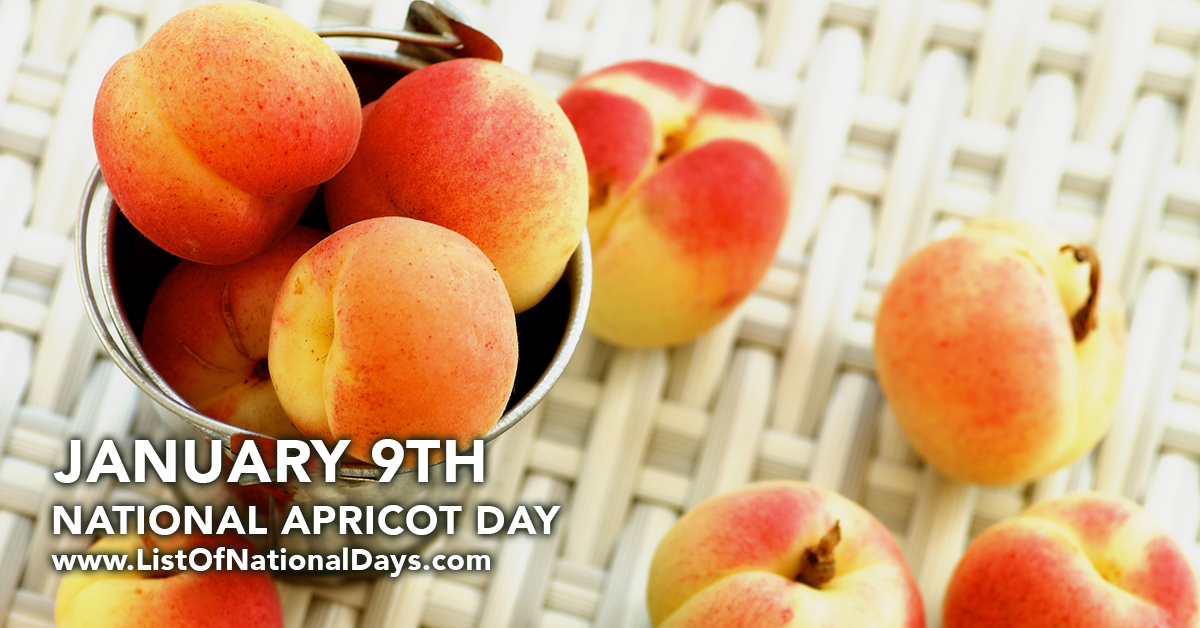
National Apricot Day is an annual observance celebrated to honor and enjoy the delicious and nutritious apricot fruit. It’s a day to raise awareness about the health benefits of apricots and indulge in apricot-based recipes.
#HASHTAGS
#NationalApricotDay
National Apricot Day is celebrated annually on January 9th
Library Shelfie Day is an annual social media event celebrated on the fourth Wednesday of January, where people take photos of themselves with their favorite books and library shelves. It aims to promote the love of books and libraries and encourages people to share their reading experiences
#HASHTAGS
#LibraryShelfieDay
Library Shelfie Day is celebrated annually on January 25th