The Great American Grump Out is a movement that promotes actions aimed at making people less grumpy. It encourages individuals to engage in activities that promote happiness, positivity, and kindness, in order to improve their overall well-being and contribute to a more positive society.
#HASHTAGS
#GreatAmericanGrumpOut
Great American Grump Out is celebrated annually on the first Wednesday of May.
Executive Coaching Day is an event that provides executive coaching services to individuals and teams in order to help them improve their performance, leadership skills, and overall effectiveness.
#HASHTAGS
#ExecutiveCoachingDay
Executive Coaching Day is celebrated annually on May 1st.
Firefighters Day is a day dedicated to honoring and recognizing the bravery, dedication, and sacrifices made by firefighters across the world in protecting their communities, homes, and workplaces from fire and other emergencies.
#HASHTAGS
#FirefightersDay
Firefighters Day is celebrated annually on May 4th.
Honor Our LGBTQ Elders Day is a day to recognize and show appreciation for the contributions and sacrifices of LGBTQ elders to the community, and to honor their experiences and wisdom.
#HASHTAGS
#HonorOurLGBTQEldersDay
Honor Our LGBTQ Elders Day is celebrated annually on May 16th.
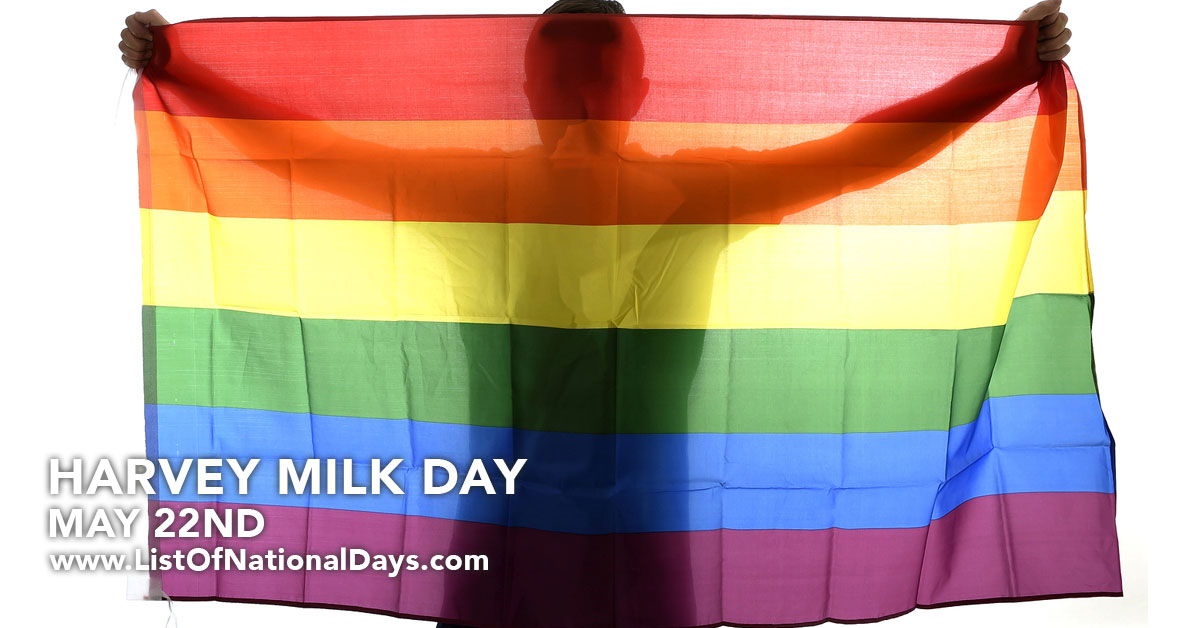
Harvey Milk Day, observed annually on May 22, commemorates the life and achievements of Harvey Milk, the first openly gay elected official in California. This day serves as an opportunity to reflect on his groundbreaking work in advocating for LGBTQ+ rights and his tragic assassination, which became a catalyst for change in the fight for equality. Harvey Milk’s courage, vision, and determination inspire individuals and movements dedicated to civil rights, inclusion, and justice for all.
Who Was Harvey Milk?
Harvey Milk was born on May 22, 1930, in New York and became a key figure in the LGBTQ+ rights movement in the 1970s. In 1977, Milk made history by becoming the first openly gay person elected to public office in California, serving as a member of the San Francisco Board of Supervisors. His victory was a significant milestone in the struggle for LGBTQ+ rights and visibility, challenging societal norms and breaking barriers for marginalized communities.
Milk’s tenure as an elected official was short-lived, as he was tragically assassinated in 1978 by fellow supervisor Dan White. Despite his brief time in office, Harvey Milk’s work and message left an indelible mark on American history. He became an enduring symbol of hope and resilience for the LGBTQ+ community, and his legacy continues to resonate globally.
The Importance of Harvey Milk Day
Harvey Milk Day is more than just an observance of his life and death; it is a celebration of his contributions to civil rights, a reminder of the ongoing fight for LGBTQ+ equality, and a call to action for continued progress. The day honors his bravery in standing up for the rights of LGBTQ+ individuals during a time of widespread discrimination and persecution.
Milk’s famous words, “You gotta give ’em hope,” have become a rallying cry for LGBTQ+ rights advocates worldwide. His advocacy was not only about securing legal protections for LGBTQ+ individuals but also about challenging the systemic prejudice and bigotry that marginalized queer communities. Milk’s impact on LGBTQ+ rights and visibility was profound, and Harvey Milk Day is a moment to reflect on the progress made and the work that remains to be done.
How Harvey Milk Changed History
Harvey Milk’s role in the LGBTQ+ rights movement was pivotal, especially in the context of 1970s America, where LGBTQ+ individuals faced widespread discrimination and criminalization. Milk’s accomplishments were significant in several key areas:
Political Advocacy for LGBTQ+ Rights: Harvey Milk, an openly gay politician, used his platform to advocate for the LGBTQ+ community. He championed progressive causes, including affordable housing, better working conditions, and anti-discrimination legislation. He fought to protect the rights of marginalized groups, including older people, minorities, and LGBTQ+ individuals.
The “Stop the Church” Campaign: One of Harvey Milk’s most notable political battles was his opposition to the Catholic Church’s stance against LGBTQ+ rights. In the late 1970s, Milk led a successful campaign to oppose Proposition 6, which sought to ban openly gay teachers and LGBTQ+ individuals from working in public schools. The campaign became a critical moment in the fight for LGBTQ+ equality and helped to shift public attitudes towards gay rights.
Visibility and Empowerment for the LGBTQ+ Community: Milk’s open acceptance of his sexual orientation and his decision to speak out against LGBTQ+ discrimination made him a trailblazer. His leadership brought visibility to LGBTQ+ issues, empowering others to live openly and to demand equal rights. His role as a public figure in a time of heavy persecution helped to normalize LGBTQ+ identity in the public sphere.
The Legacy of Hope: Milk’s powerful speeches and activism left a lasting legacy of hope. His words inspire young LGBTQ+ individuals to advocate for their rights, and his life reminds them that visibility and activism are essential in creating social change.
How to Celebrate Harvey Milk Day
Harvey Milk Day is an opportunity to reflect on the progress made in LGBTQ+ rights, honor the sacrifices of those who paved the way, and commit to continuing the fight for equality. Here are some meaningful ways to participate in Harvey Milk Day:
Reflect and Commit to Action: Harvey Milk Day is an opportunity to reflect on the progress made and to recommit to the ongoing work for equality. Think about how you can contribute to the fight for LGBTQ+ rights and make a difference in your community.
Educate Yourself and Others About Harvey Milk’s Legacy: Take the time to learn more about Harvey Milk’s life and achievements. Watch documentaries, read books, or visit museums and historical sites dedicated to his memory. Please share this information with friends and family to spread awareness of his contributions to the LGBTQ+ rights movement.
Support LGBTQ+ Organizations: Contribute to organizations that advocate for LGBTQ+ rights, fight against discrimination, and support the mental and physical health of LGBTQ+ individuals. Your support can help continue Harvey Milk’s work and ensure future generations have the resources and advocacy to live openly and without fear.
Participate in Local Events and Marches: Many cities hold rallies, pride parades, and events in honor of Harvey Milk Day. These events provide an opportunity to connect with the LGBTQ+ community, show solidarity, and celebrate the progress toward equality.
Advocate for LGBTQ+ Rights: Use Harvey Milk Day as a platform to speak out on behalf of LGBTQ+ rights. Write to lawmakers, participate in petitions, or volunteer with advocacy groups to push for policies that protect and support LGBTQ+ individuals.
Share Your Story and Support Visibility: If you are part of the LGBTQ+ community, share your story with others on social media or in your community. Harvey Milk’s visibility helped spark change, and today, the more individuals who live openly, the stronger the movement for equality becomes. Show your support by amplifying voices within the LGBTQ+ community.
#HASHTAGS
#HarveyMilkDay
Harvey Milk Day is celebrated annually on May 22nd.
Geek Pride Day is an annual celebration to embrace and promote geek culture and the achievements of geeks around the world. It highlights the love for technology, sci-fi, fantasy, comics, video games, and many other areas of interest.
#HASHTAGS
#GeekPrideDay
Geek Pride Day is celebrated annually on May 25th.