National Guacamole Day is a celebration of the popular Mexican dip made from mashed avocados, lime juice, and other ingredients like onion, tomato, and garlic. It is typically observed on September 16th, and involves making and enjoying guacamole in various ways, such as with chips, on toast, or as a topping for various dishes.
#HASHTAGS
#NationalGuacamoleDay
National Guacamole Day is celebrated annually on September 16th
Mayflower Day is a commemorative holiday observed annually on September 16th in honor of the historic voyage of the Mayflower, which departed from Plymouth, England, in 1620 and carried the Pilgrims to the shores of present-day Massachusetts, marking the beginning of European colonization of America. It is a day to remember and reflect on the courage, resilience, and sacrifices of those early settlers.
#HASHTAGS
#MayflowerDay
Mayflower Day is celebrated annually on September 16th
The Trail of Tears Commemoration Day is a day to remember and honor the thousands of Native Americans who were forcibly removed from their ancestral lands in the southeastern United States and relocated to Indian Territory in Oklahoma in the 1830s. The day is observed on the anniversary of the signing of the Indian Removal Act on May 28th, 1830, and serves as a reminder of the ongoing struggles and injustices faced by Indigenous peoples in the United States.
#HASHTAGS
#TrailOfTearsCommemorationDay
Trail Of Tears Commemoration Day is celebrated annually on September 16th
Mexican Independence Day, celebrated every year on September 16, marks a pivotal moment in Mexico’s history—the day the country officially began its fight for independence from Spanish rule. This day, known as El Grito de Dolores, is one of Mexico’s most significant national holidays, commemorating the spirit of resistance, courage, and patriotism. It is a time for Mexicans to reflect on their rich cultural heritage, honor the heroes who fought for freedom, and celebrate the vibrant traditions that make Mexico a unique and proud nation.
The History of Mexican Independence Day
Mexican Independence Day dates back to September 16, 1810, when Miguel Hidalgo, a Roman Catholic priest, issued the famous Grito de Dolores in the town of Dolores, Guanajuato. This was a call to arms for the people of Mexico to rise up against the oppressive Spanish colonial government that had ruled Mexico for nearly 300 years. Hidalgo’s cry for freedom marked the beginning of the Mexican War of Independence, which lasted for over a decade.
Hidalgo was quickly joined by others in the fight for Mexico’s independence, including José María Morelos, Vicente Guerrero, and Agustín de Iturbide, who all played crucial roles in the struggle. The war finally ended in 1821 with the signing of the Treaty of Córdoba, which recognized Mexico’s independence from Spain. Since then, September 16 has been celebrated as a day of national pride, representing Mexico’s journey toward freedom and self-determination.
Why Mexican Independence Day Matters
Mexican Independence Day holds immense significance for the people of Mexico and the Mexican diaspora worldwide. Here’s why this day is so important:
Honoring Mexico’s Freedom: Mexican Independence Day celebrates the country’s hard-won freedom from centuries of Spanish colonial rule. The day honors the courage and sacrifice of the heroes who fought for independence and the values of liberty, justice, and equality that continue to shape Mexico’s national identity.
Strengthening National Pride: Mexican Independence Day fosters a sense of unity and pride among Mexicans. The celebrations bring together people of all ages, backgrounds, and regions to reflect on their shared history and cultural heritage. This collective pride is a powerful force that unites citizens and helps preserve the country’s traditions and values.
Remembering Mexico’s Heroes: The day is a time to remember and honor the heroes who contributed to Mexico’s independence. Miguel Hidalgo, José María Morelos, and others are celebrated for their leadership, vision, and sacrifices in fighting for freedom. By remembering these figures, Mexicans reaffirm their commitment to the ideals of justice and equality that the independence movement represented.
Celebrating Mexican Culture: Mexican Independence Day is about history and celebrating the country’s rich and diverse culture. From traditional music and dance to delicious food and colorful festivals, the day is an opportunity to showcase Mexico’s vibrant cultural identity.
A Global Celebration of Mexican Heritage: While Mexican Independence Day is celebrated primarily in Mexico, it is also widely recognized worldwide, particularly in countries with large Mexican communities. The celebrations allow people of Mexican descent to connect with their heritage, regardless of where they live.
How Mexican Independence Day is Celebrated
Mexican Independence Day is celebrated with fervor and enthusiasm throughout the country. The festivities are marked by various cultural, social, and public events reflecting Mexico’s traditions and national pride. Here’s how the day is typically observed:
El Grito de Dolores: The most iconic moment of Mexican Independence Day celebrations is the reenactment of the Grito de Dolores. At 11:00 PM on the night of September 15, the President of Mexico (or local leaders in other areas) steps out onto the balcony of the National Palace in Mexico City and rings the Libertad Bell, shouting the famous words, “¡Viva México!” (“Long live Mexico!”). This ceremony is followed by cheers from the crowd and fireworks, marking the start of the festivities. Similar reenactments of the Grito de Dolores are held in cities and towns nationwide.
Parades and Festivities: Mexican Independence Day is celebrated with vibrant parades featuring traditional music, dances, and performances. Colorful floats, marching bands, and folkloric dancers fill the streets, showcasing Mexico’s rich cultural heritage. The largest parade typically occurs in Mexico City, where thousands gather to witness the pageantry and revel in the festivities.
Food and Drink: Mexican cuisine plays a central role in the celebrations. Traditional dishes like mole, tacos, enchiladas, tamales, and pozole are served during the festivities. Street vendors and restaurants offer a wide array of Mexican foods, and families often come together for elaborate feasts. Tequila, margaritas, and other beverages like agua fresca are also commonly enjoyed.
Music and Dance: Music is an integral part of the celebrations, with mariachi bands, ranchera music, and banda playing in many locations. People take to the streets to dance, sing, and enjoy live performances. The rhythms of traditional music fill the air, creating an atmosphere of joy and unity.
Fireworks and Lighting: Fireworks are a key element of Mexican Independence Day celebrations. After the Grito de Dolores, fireworks light up the night sky across Mexico, signaling the beginning of the festivities. Many homes and businesses are decorated with the colors of the Mexican flag—green, white, and red—adding to the festive atmosphere.
Cultural and Community Events: Many towns and cities organize cultural events such as art exhibitions, theater performances, and folk dance performances to celebrate the day. These events highlight the diversity of Mexico’s culture and provide opportunities for people to engage with their heritage.
Celebrations in the U.S. and Other Countries: Mexican Independence Day is also widely celebrated in the United States, particularly in cities with large Mexican-American populations. Parades, festivals, and cultural events are held in places like Los Angeles, Chicago, and Houston, where people gather to celebrate their Mexican heritage and share their traditions with the broader community.
The Global Impact of Mexican Independence Day
Mexican Independence Day extends beyond Mexico’s borders as millions of Mexicans and Mexican-Americans celebrate the day worldwide. Public festivities, parades, and family gatherings are held in countries like the United States, Canada, and Spain to mark the holiday. For Mexicans living abroad, it is an opportunity to honor their roots, celebrate their culture, and connect with others who share their heritage. It’s a time to reflect on the importance of preserving Mexican traditions and passing them down to future generations.
#HASHTAGS
#MexicanIndependenceDay
Mexican Independence Day is celebrated annually on September 16th
International Day for the Preservation of the Ozone Layer is celebrated on September 16th each year to raise awareness about the depletion of the Earth’s ozone layer and the urgent need to protect it. The day aims to promote global cooperation to phase out the use of ozone-depleting substances and to support the transition to more sustainable alternatives.
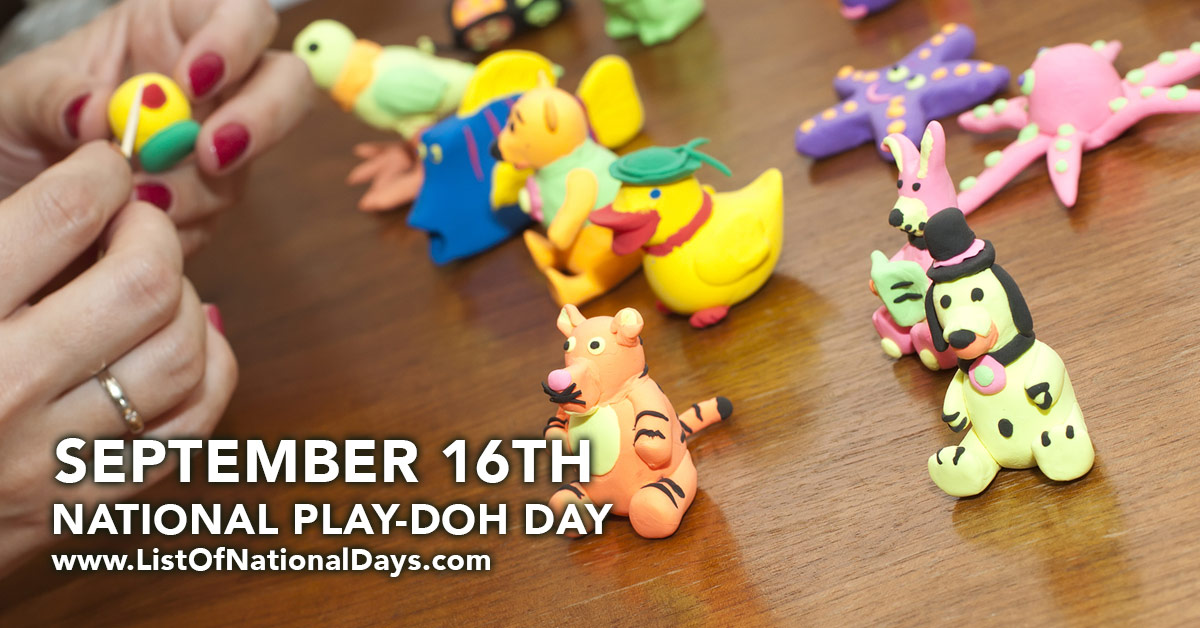
National Play-Doh Day is a holiday celebrated annually on September 16th. The day is dedicated to the beloved children’s toy, Play-Doh, which has been entertaining kids for generations. It’s a day for people of all ages to play, sculpt, and create with this fun and versatile modeling compound, which encourages creativity, imagination, and sensory development.
#HASHTAGS
#NationalPlayDohDay
National Play-Doh Day is celebrated annually on September 16th
National Tattoo Story Day is observed to celebrate the art of tattooing and the personal stories behind each tattoo. The day aims to raise awareness about the cultural and historical significance of tattoos and their place in modern society. It encourages people to share their tattoo stories and embrace the diversity of this art form.
#HASHTAGS
#NationalTattooStoryDay
National Tattoo Story Day is celebrated annually on September 16th
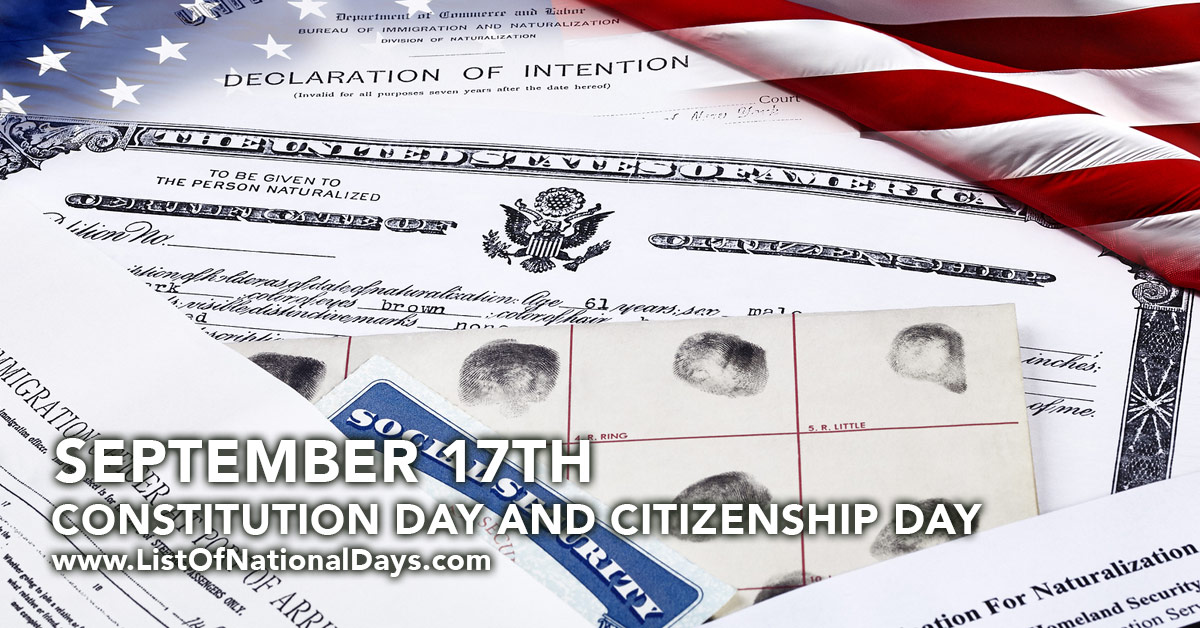
Constitution Day and Citizenship Day is a holiday observed annually on September 17th. The day commemorates the signing of the United States Constitution in 1787 and honors those who have become U.S. citizens. It’s a day to celebrate the principles of democracy, freedom, and equality enshrined in the Constitution and to recognize the importance of being an active and responsible citizen.
#HASHTAGS
#ConstitutionDayAndCitizenshipDay
Constitution Day And Citizenship Day is celebrated annually on September 17th
The National Day of Prayer and Remembrance for the Victims of Hurricane Katrina is a day to honor and remember the lives lost during Hurricane Katrina, which devastated the Gulf Coast region of the United States in 2005. The day also serves as a reminder of the importance of emergency preparedness and the need for ongoing support for those affected by natural disasters.
National Collect Rocks Day is observed every year on September 16th. It is a day to celebrate the hobby of rock collecting and encourages people to explore and discover different types of rocks. Many rock collecting enthusiasts take the opportunity to organize events, exchange information, and share their experiences on this day.
#HASHTAGS
#NationalCollectRocksDay
National Collect Rocks Day is celebrated annually on September 16th