#HASHTAGS
#NationalPancakeDay
When is National Pancake Day?
National Pancake Day is celebrated annually on September 26th.
"Official List" of U.S. National Days
#NationalPancakeDay
National Pancake Day is celebrated annually on September 26th.
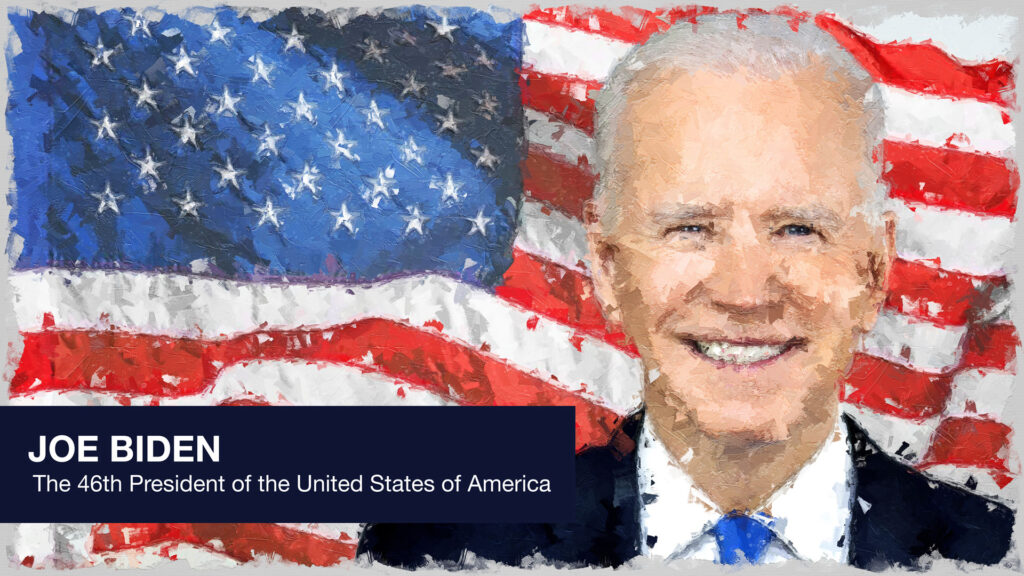
Joe Biden is the 46th president of the United States of America. Born in Scranton, Pennsylvania on November 20, 1942
First Lady – Jill Biden
Years In Office – 2021-2024
Political Party – Democratic Party
Vice President – Kamala Harris
Eye Color – Blue
Hair Color – Brown
Handedness – Right
Zodiac Sign – Scorpio

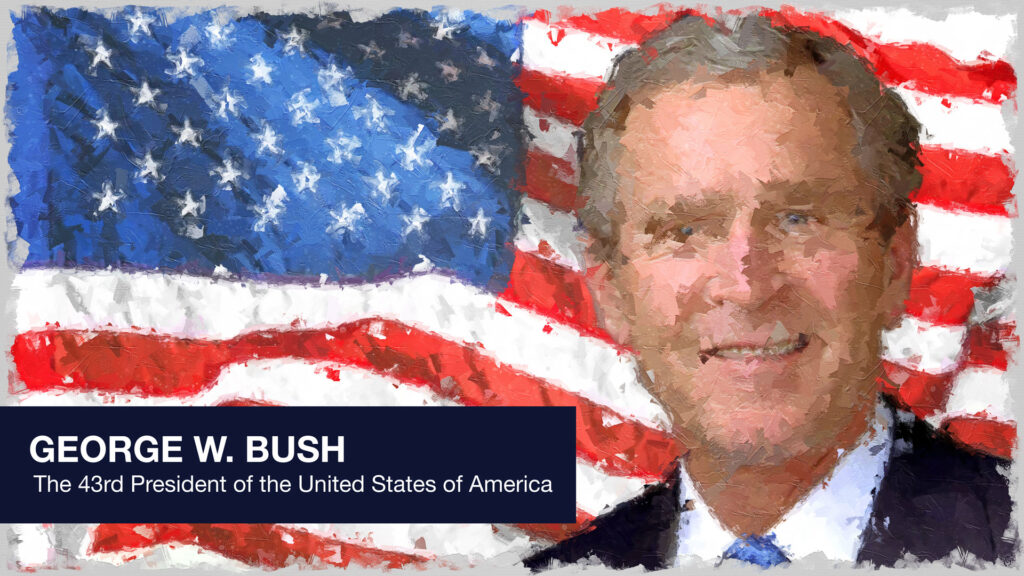
George W. Bush is the 43rd president of the United States of America. Born in New Haven, Connecticut on July 6, 1946
First Lady – Laura Bush
Years In Office – 2001-2009
Political Party – Republican Party
Vice President – Richard Cheney
Eye Color – Blue
Hair Color – Brown
Handedness – Right
Zodiac Sign – Cancer
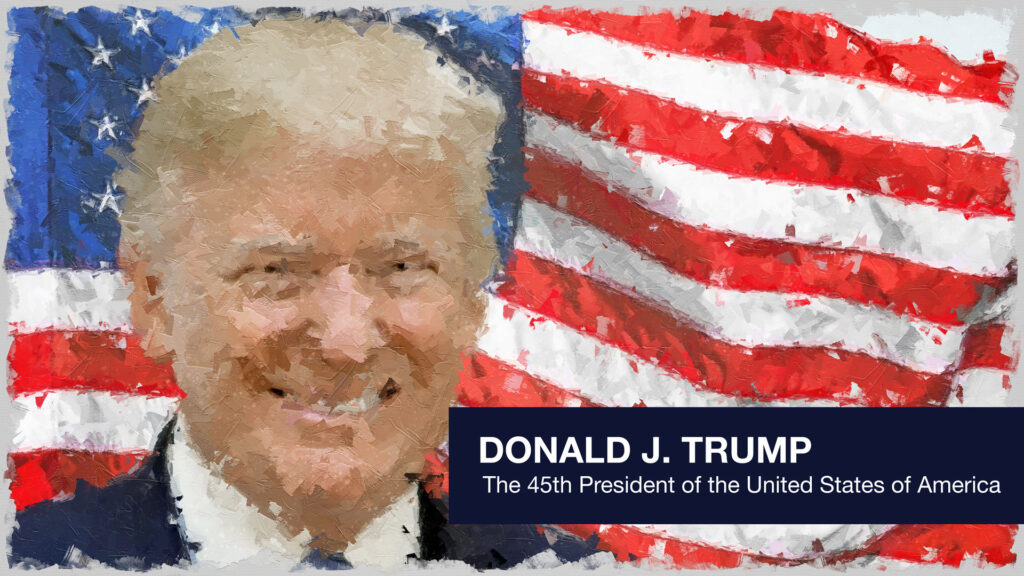
Donald J. Trump is the 45th president of the United States of America. Born in New York, New York on June 14, 1946
First Lady – Melania Trump
Years In Office – 2017-2021
Political Party – Republican Party
Vice President – Mike Pence
Eye Color – Dark Grey/Blue
Hair Color – Blonde
Handedness – Right
Zodiac Sign – Gemini

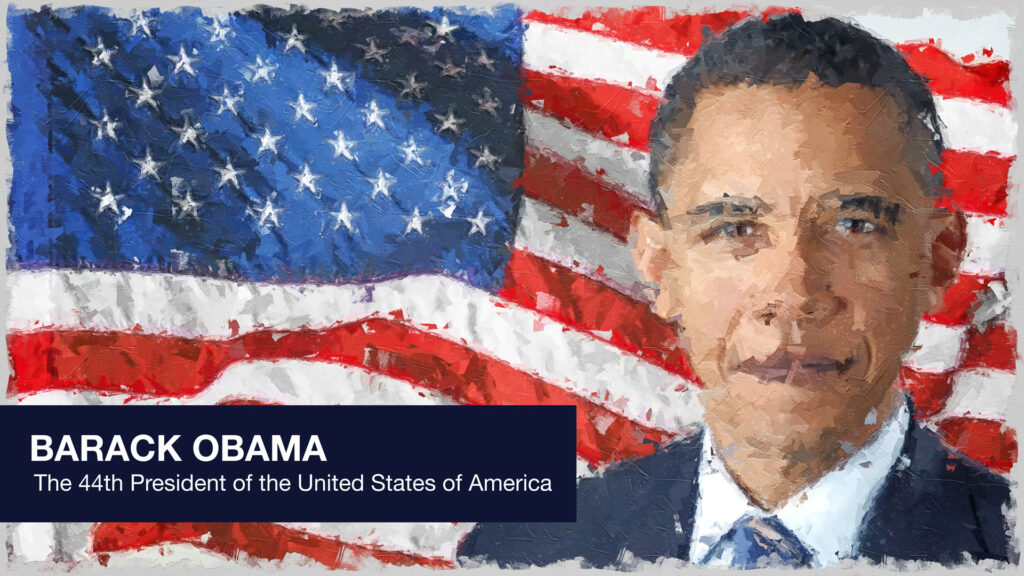
Barack Obama is the 44th president of the United States of America. Born in Honolulu, Hawaii on August 4, 1961.
First Lady – Michelle Obama
Years In Office – 2009-2017
Political Party – Democratic Party
Vice President – Joseph R. Biden
Eye Color – Brown
Hair Color – Black
Handedness – Left
Zodiac Sign – Leo
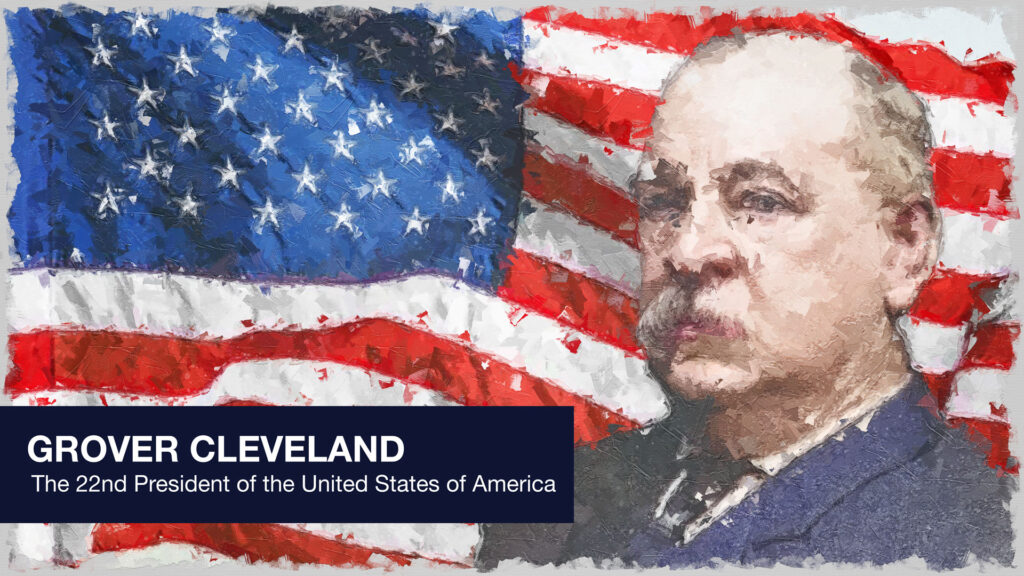
Grover Cleveland is the 22nd and 24th president of the United States of America. Born in Caldwell, NJ on March 18, 1837
First Lady – Frances Folsom Cleveland
Years In Office – 1885–1889, 1893-1897
Political Party – National Democratic Party
Vice President – Thomas A. Hendricks, Adlai E. Stevenson
Eye Color – Blue
Hair Color – Brown
Handedness – Right
Zodiac Sign – Pisces
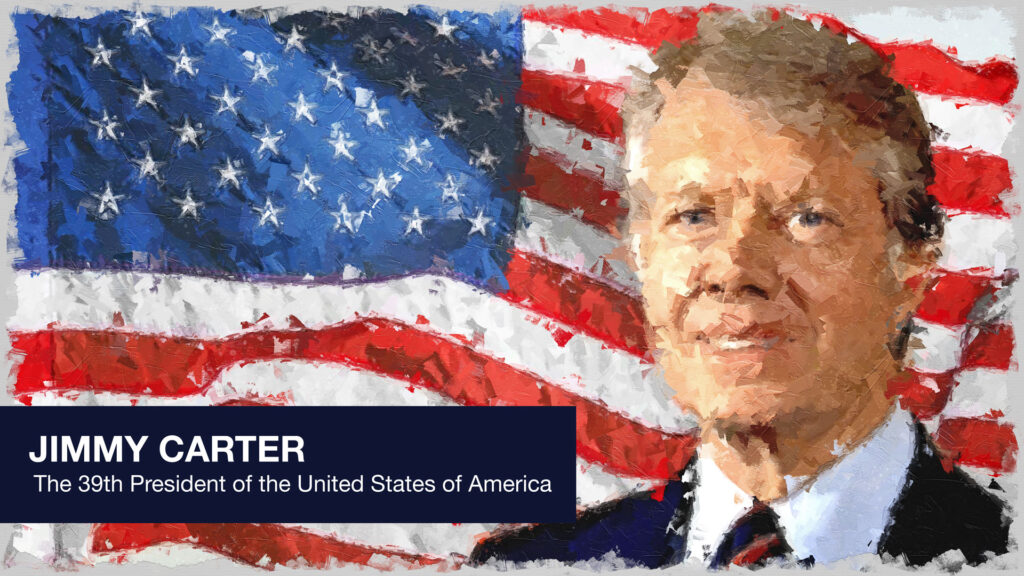
James Earl Carter is the 39th president of the United States of America. Born in Plains, Georgia on October 1, 1924.
First Lady – Rosalynn Carter
Years In Office – 1977-1981
Political Party – Democratic Party
Vice President – Walter F. Mondale
Eye Color – Hazel
Hair Color – Sandy Brown
Handedness –
Zodiac Sign – Libra

Jimmy Carter, the 39th President of the United States, is known for his dedication to peace, human rights, and environmental issues during and after his presidency. Serving from 1977 to 1981, Carter’s time in office was marked by efforts to broker peace, tackle energy crises, and address global humanitarian concerns. While his presidency faced significant challenges, including the Iran hostage crisis and an economic downturn, his post-presidential work has profoundly impacted global peace and charitable causes. In this article, we will explore Jimmy Carter’s life, his presidency, his contributions to society, and his lasting impact on the world.
Early Life and Education
James Earl Carter Jr. was born to a modest family on October 1, 1924, in Plains, Georgia. Growing up in the rural South, Carter learned the values of hard work, humility, and service. His father, a prosperous farmer, and his mother, a nurse, instilled in him a deep sense of responsibility toward others. After graduating from the U.S. Naval Academy in 1946, Carter served in the U.S. Navy, developing a strong understanding of leadership, management, and teamwork.
Following his military service, Carter returned to Georgia and took over the family farm. His experience in agriculture and management became the foundation for his later political career. Carter’s early political endeavors, including his time as a state senator and as governor of Georgia, laid the groundwork for his future presidential campaign.
Governor of Georgia: Laying the Foundation for National Leadership
Before becoming President, Jimmy Carter served as the Governor of Georgia from 1971 to 1975. A commitment to reform and progressive policies marked his tenure. As governor, Carter focused on improving the education system, integrating public schools, and reforming the state’s healthcare policies. He also worked on increasing government transparency, advocating for open government practices, and reducing the influence of special interest groups.
Carter’s record as governor made him an appealing candidate for national office. He cultivated a reputation as a pragmatic leader with a deep sense of morality and a focus on public service, which resonated with many Americans seeking a new direction after the political scandals of the Nixon administration.
The 1976 Presidential Election: A New Era of Leadership
In 1976, Jimmy Carter ran for President on a platform of honesty, transparency, and a commitment to restoring faith in government. His message of change and renewal appealed to voters frustrated by the Watergate scandal and the resulting loss of trust in the federal government. Carter’s outsider status helped him win the Democratic nomination, and in a closely contested election, he defeated incumbent Gerald Ford, becoming the 39th President of the United States.
Key Accomplishments During Carter’s Presidency
Post-Presidency: A Lifetime of Service
After leaving the White House, Jimmy Carter continued to serve the American people and the world through various humanitarian and peace efforts. His post-presidential work has been marked by his commitment to global peace, poverty alleviation, and human rights.
Legacy and Impact
Jimmy Carter’s legacy is defined by his commitment to peace, human rights, and environmental stewardship. Though his presidency faced significant challenges, including the Iran Hostage Crisis and economic difficulties, his post-presidential efforts have solidified his place as one of the most respected former presidents in U.S. history. Carter’s focus on diplomacy, social justice, and humanitarian aid has made him a global leader and a beacon of hope for millions worldwide.
FAQs About Jimmy Carter
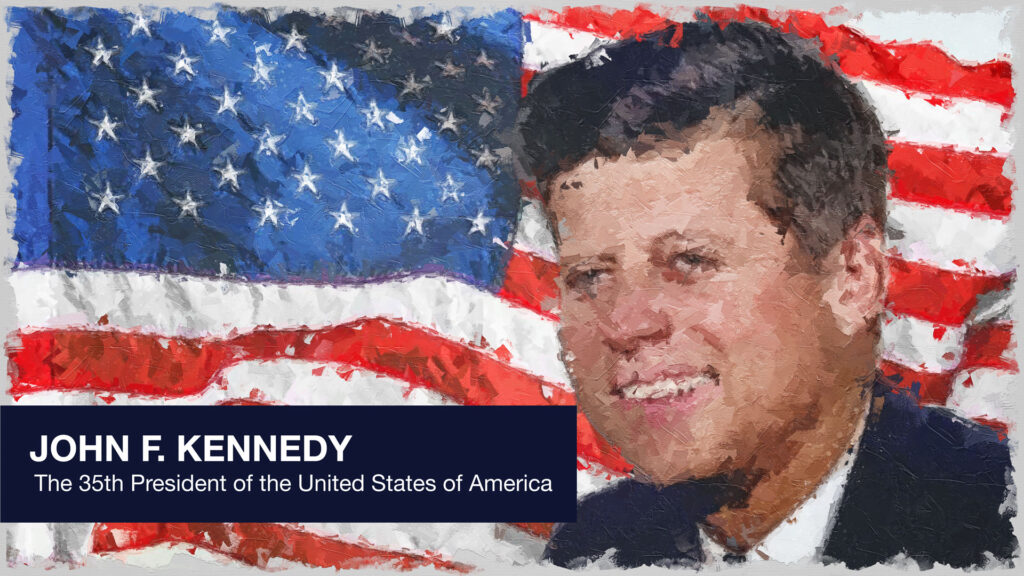
John F. Kennedy is the 35th president of the United States of America. Born in Brookline, Massachusetts on May 29, 1917
First Lady – Jacqueline Kennedy
Years In Office – 1961-1963
Political Party – Democratic Party
Vice President – Lyndon B. Johnson
Eye Color – Blue
Hair Color – Reddish Brown
Handedness – Right
Zodiac Sign – Gemini

John Fitzgerald Kennedy was born in Brookline, Massachusetts, on May 29, 1917, into a prominent and politically connected family. His father, Joseph P. Kennedy Sr., was a successful businessman and former ambassador to the United Kingdom, and his mother, Rose Fitzgerald Kennedy, came from a politically active family. From an early age, Kennedy was immersed in a world of privilege, but he also experienced personal struggles, including a difficult battle with chronic illness.
Kennedy attended Harvard University, where he earned a degree in international affairs. His curiosity about the world marked his time at Harvard, and he went on to write a senior thesis that would later become a book, “Why England Slept,” which gained significant attention. After graduation, Kennedy served in the U.S. Navy during World War II, where he became a hero for his leadership during the Pacific campaign, particularly after saving the lives of his crew members when their boat was sunk.
Following the war, Kennedy entered politics, inspired by his family’s legacy of public service. He was elected to the U.S. House of Representatives in 1946, representing Massachusetts, and later served as a U.S. Senator from 1953 to 1960. Kennedy’s political rise was marked by his sharp intellect, charisma, and commitment to public service, ultimately leading to his successful presidential bid.
On November 22, 1963, President Kennedy was tragically assassinated in Dallas, Texas, while riding in a motorcade. His assassination shocked the nation and the world, leaving a profound impact on American politics and society. Kennedy was succeeded by Vice President Lyndon B. Johnson, who carried forward many of Kennedy’s policies, especially in civil rights and space exploration.
Despite the brevity of his presidency, Kennedy’s legacy endures. His vision for a better, more just society, his commitment to public service, and his leadership during international crises inspire people worldwide. Kennedy’s call to public service and his famous words, “Ask not what your country can do for you, ask what you can do for your country,” remain one of the most enduring expressions of civic responsibility.
Kennedy’s legacy is also preserved through the John F. Kennedy Presidential Library and Museum in Boston, which inspires future generations to engage with politics, history, and public service.
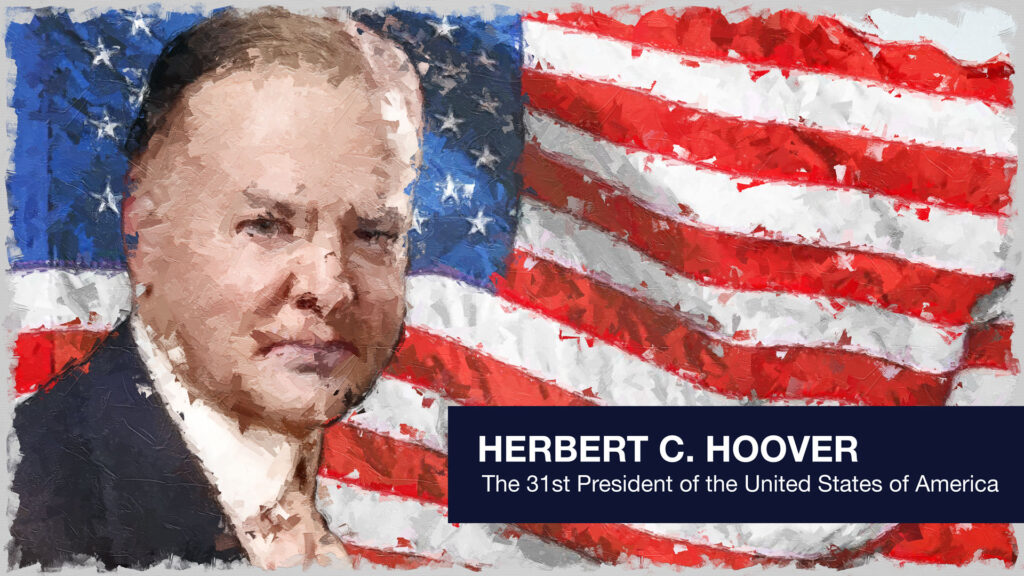
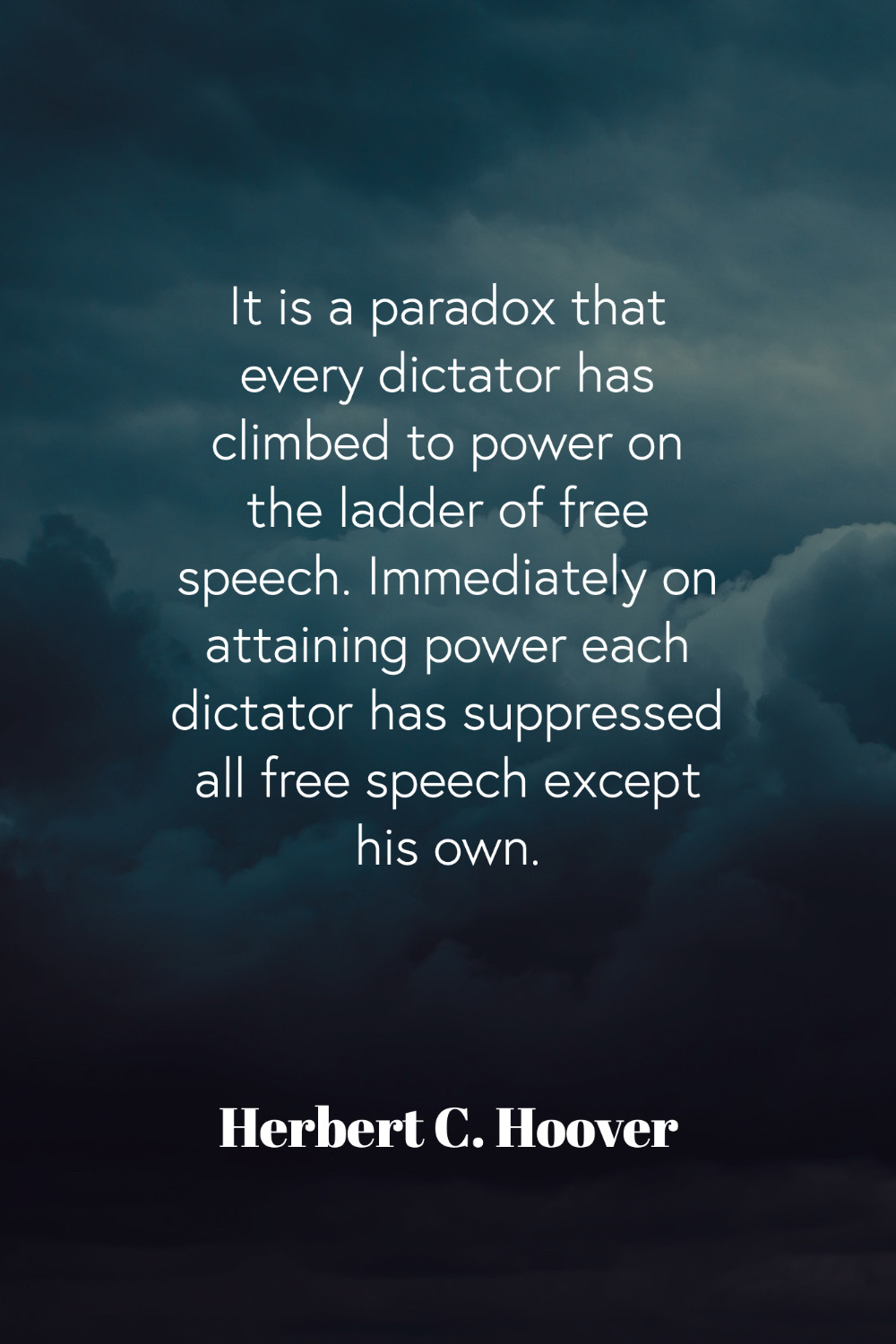
Herbert C. Hoover is the 31st president of the United States of America. Born in West Branch, Iowa on August 10, 1874
First Lady – Lou Henry Hoover
Years In Office – 1929-1933
Political Party – Republican Party
Vice President – Charles Curtis
Eye Color – Hazel
Hair Color – Brown
Handedness – Left
Zodiac Sign – Leo
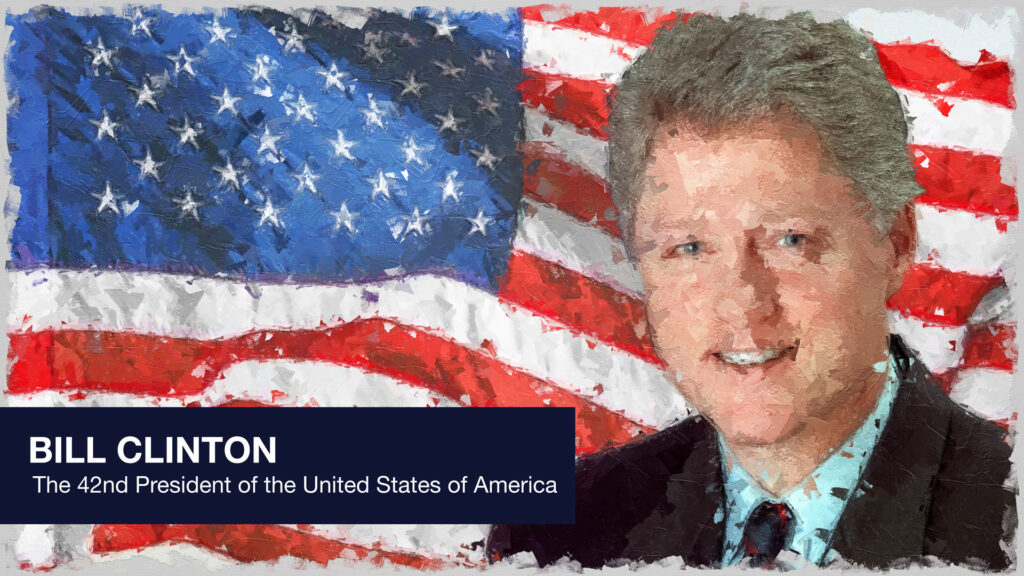
Bill Clinton is the 42nd president of the United States of America. Born in Hope, Arkansas on August 19, 1946
First Lady – Hillary Rodham Clinton
Years In Office – 1993-2001
Political Party – Democratic Party
Vice President – Albert Gore
Eye Color – Blue-Grey
Hair Color – Fair
Handedness – Left
Zodiac Sign – Leo