National Employee Appreciation Day is a day set aside to recognize and thank employees for their hard work, loyalty, and dedication in their respective workplaces. The day is typically celebrated annually on the first Friday in March.
#HASHTAGS
#NationalEmployeeAppreciationDay
National Employee Appreciation Day is celebrated annually on the First Friday In March.
National Day of Unplugging is a holiday that encourages people to disconnect from digital devices and technology for 24 hours and engage in activities that promote personal connections, mindfulness, and being present in the moment.
#HASHTAGS
#NationalDayOfUnplugging
National Day Of Unplugging is celebrated annually on the First Friday In March.
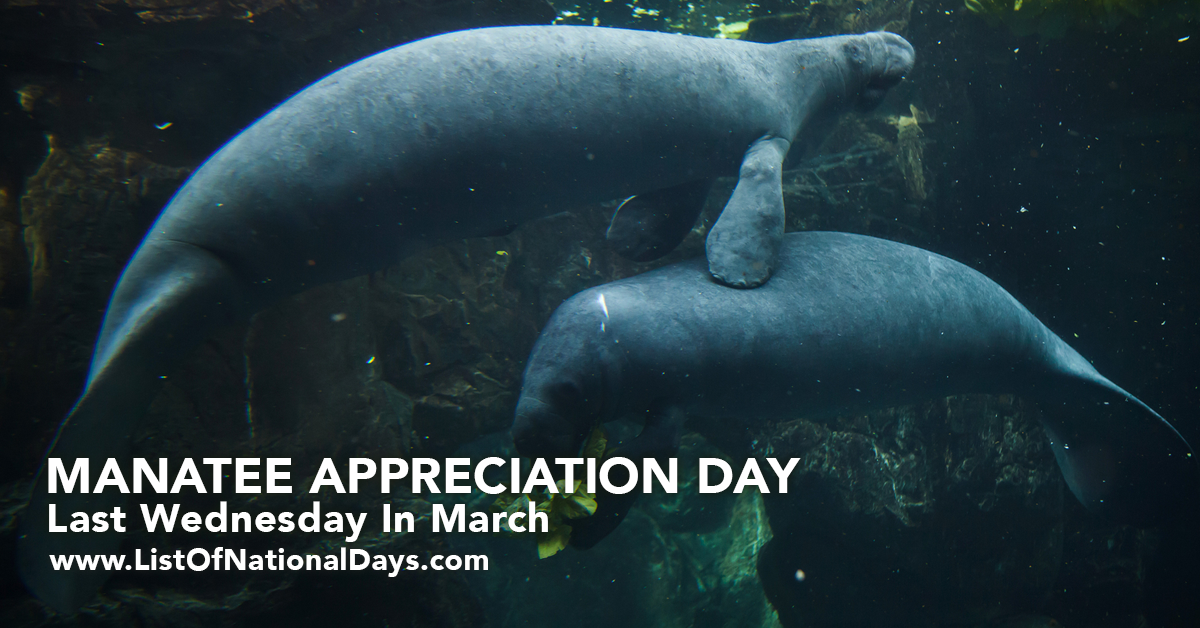
Manatee Appreciation Day is an annual observance held to raise awareness and celebrate the conservation efforts of the gentle and endangered manatee. It aims to inspire people into taking action to protect the manatee and its habitat.
#HASHTAGS
#ManateeAppreciationDay
Manatee Appreciation Day is celebrated annually on the Last Wednesday In March.
National Agriculture Day is a day of recognition for farmers and their contributions to the economy and society. It is an annual event that celebrates the abundance and diversity of agriculture in the United States and the hard work of those who produce our food.
#HASHTAGS
#NationalAgricultureDay
National Agriculture Day is celebrated annually on March 21st.
Every year on March 23rd, dog lovers nationwide celebrate National Puppy Day, a special occasion dedicated to recognizing puppies’ joy, love, and companionship in our lives. Founded in 2006 by pet lifestyle expert Colleen Paige, this day raises awareness about adopting rescue puppies and promoting responsible pet ownership.
The Importance of National Puppy Day
National Puppy Day is more than just a celebration—it’s a movement to encourage the adoption of puppies from shelters and rescues instead of purchasing from puppy mills. The key objectives of this day include:
Promoting Adoption – Encouraging people to adopt from shelters instead of buying from breeders or pet stores.
Raising Awareness – Educating the public about the issues of puppy mills and unethical breeding practices.
Encouraging Responsible Pet Ownership – Teaching new and potential pet owners about proper puppy care and commitment.
Celebrating Puppies – Appreciating the unconditional love, joy, and companionship that puppies bring into our lives.
How to Celebrate National Puppy Day
There are many fun and meaningful ways to celebrate this day:
Adopt a Puppy – Consider giving a rescue puppy a forever home.
Volunteer at a Shelter – Help care for needy puppies at your local rescue or shelter.
Spoil Your Pup – Treat your puppy to new toys, a special meal, or an outdoor adventure.
Raise Awareness on Social Media – Use hashtags like #NationalPuppyDay and #AdoptDontShop to spread the message.
Support Animal Welfare Organizations – Donate to shelters, rescues, or organizations that help save and protect puppies.
Fun Facts About Puppies
Puppies are born blind, deaf, and toothless, but their senses develop quickly.
The world’s largest litter was 24 puppies, born to a Neapolitan Mastiff.
Puppies sleep about 15-20 hours daily to support their rapid growth.
The term “puppy dog eyes” refers to puppies’ facial expressions when communicating with humans.
The Impact of Adopting a Puppy
When you adopt a puppy, you’re gaining a new furry friend and saving a life. Millions of dogs end up in shelters yearly, and adoption helps reduce overcrowding and gives animals a second chance at a happy life.
#HASHTAGS
#NationalPuppyDay
National Puppy Day is celebrated annually on March 23rd.
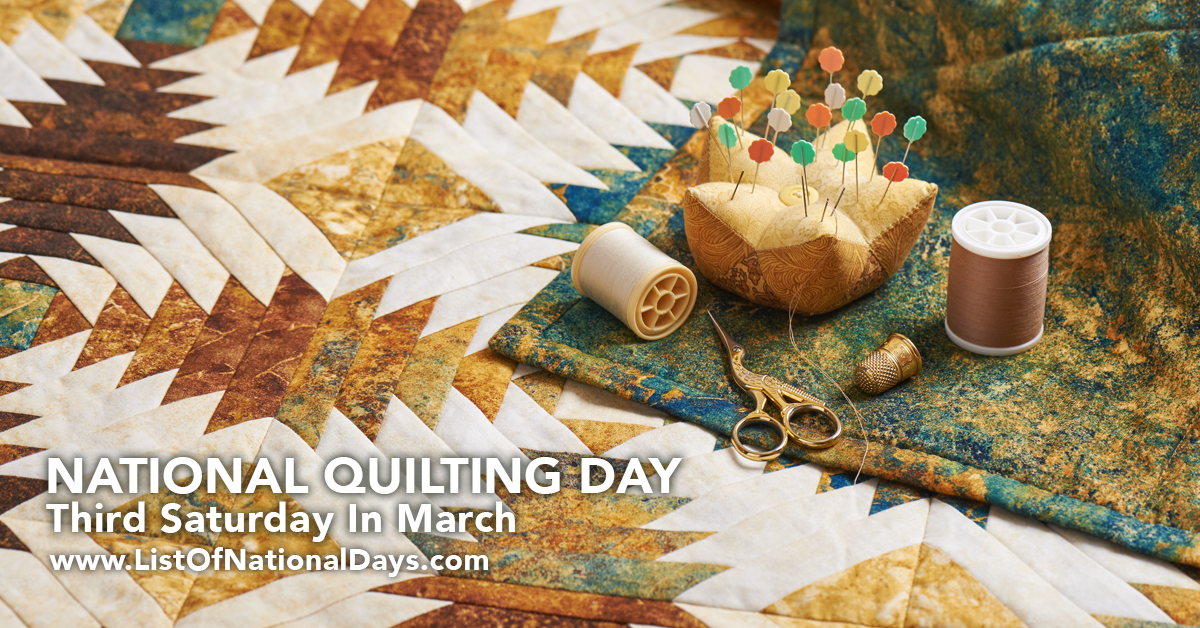
National Quilting Day is an annual holiday celebrated on the third Saturday in March to recognize the art and craft of quilt-making. It is a day for quilters to come together, share their passion, and create beautiful works of art.
#HASHTAGS
#NationalQuiltingDay
National Quilting Day is celebrated annually on the third Saturday In March.
National Kick Butts Day is an annual event in the United States that aims to raise awareness about the dangers of tobacco use, particularly among youth. It is a nationwide campaign to encourage people to kick the habit of smoking and promotes a healthy and smoke-free life.
#HASHTAGS
#NationalKickButtsDay
National Kick Butts Day is celebrated annually on Changes Annually.
National Napping Day is celebrated annually on the Monday after Daylight Saving Time begins to help people adjust to the lost hour of sleep. In 2024, this well-deserved holiday falls on March 11th. It serves as a reminder of the benefits of napping and the importance of prioritizing rest in our busy lives.
The History of National Napping Day
This day was created in 1999 by Boston University professor William Anthony and his wife, Camille. Their goal was to highlight the positive effects of napping on productivity, health, and overall well-being. Since then, National Napping Day has gained recognition as people worldwide embrace the power of a good nap.
The Benefits of Napping
Studies show that short naps can significantly impact mental and physical health. Here are some key benefits:
Boosts Alertness and Performance – A quick power nap (10-20 minutes) enhances cognitive function and reaction times.
Improves Mood and Reduces Stress – Napping can help regulate emotions and decrease cortisol levels.
Enhances Memory and Learning – Sleep plays a crucial role in processing and retaining information.
Supports Heart Health – Studies suggest that short naps may reduce the risk of heart disease.
Increases Productivity – Well-rested individuals tend to be more focused and efficient at work.
How to Celebrate National Napping Day
There are many ways to observe this day and incorporate healthy napping habits into your routine:
Take a Power Nap: Aim for 10-30 minutes to recharge without feeling groggy.
Create a Restful Environment: Use blackout curtains, white noise, or a sleep mask for relaxation.
Encourage Workplace Naps: Employers can promote short breaks to boost productivity.
Educate Others: Share the benefits of napping on social media using hashtags like #NationalNappingDay and #PowerNap.
Prioritize Sleep Hygiene: This day is a reminder to improve nighttime sleep habits.
The Science Behind the Perfect Nap
Experts recommend different nap durations based on your needs:
10-20 minutes: Ideal for a quick energy boost.
30-60 minutes: This can improve memory and decision-making skills but may cause sleep inertia.
90 minutes: A complete sleep cycle that enhances creativity and problem-solving.
Countries That Embrace Napping
Napping isn’t just a personal habit—it’s a cultural norm in many countries:
China: Many workplaces and schools promote short naps for better performance.
Spain: The famous siesta allows people to rest in the afternoon.
Japan: Workplace naps, known as inemuri, are widely accepted.
Italy: The riposo tradition encourages mid-afternoon rest.
#HASHTAGS
#NationalNappingDay
National Napping Day is celebrated annually on the day after Daylight Saving Day.
Daylight Saving Time (DST) is a seasonal practice where clocks are set forward by one hour in the spring and set back in the fall to maximize daylight hours. In 2024, DST in the United States begins on March 9th and ends on November 2nd. While many countries follow this system, DST remains debatable regarding its benefits and drawbacks.
The History of Daylight Saving Time
The concept of adjusting clocks to better use daylight dates back to Benjamin Franklin in 1784, who humorously suggested it as a way to save candles. However, Germany first implemented the modern form of DST during World War I and later adopted it by other countries to conserve energy. The United States formally standardized DST with the Uniform Time Act of 1966.
Key milestones in DST history include:
1916 – Germany becomes the first country to adopt DST during World War I.
1918 – The United States introduced DST, which was repealed after the war.
1966 – The Uniform Time Act establishes DST across the U.S.
2007 – The U.S. extends DST by four weeks under the Energy Policy Act.
The Benefits of Daylight Saving Time
Supporters of DST argue that adjusting clocks offers several advantages:
Energy Conservation – By reducing artificial lighting and evening electricity use, DST can lower energy consumption.
More Daylight for Activities – Longer daylight hours encourage outdoor recreation and shopping, boosting local economies.
Fewer Traffic Accidents – More daylight in the evening hours is believed to improve road safety.
Boosts Mental Health – Increased sunlight exposure can reduce seasonal affective disorder (SAD) symptoms.
The Controversies and Criticism of DST
Despite its benefits, DST has faced criticism and calls for its elimination. Common arguments against DST include:
Health Disruptions: The time change can disturb sleep patterns and increase the risks of heart attacks and strokes.
Limited Energy Savings: Some studies suggest modern electricity use patterns negate DST’s original purpose.
Economic Confusion: Not all regions observe DST, causing scheduling issues in business and transportation.
Impact on Agriculture: Farmers, in particular, have expressed concerns about the disruption DST causes to their schedules.
Which Countries Observe Daylight Saving Time?
DST is observed in over 70 countries worldwide, though policies vary by region:
United States & Canada: Most regions follow DST except Arizona (excluding Navajo Nation) and Hawaii.
Europe: The European Union observes DST but has debated eliminating it.
Australia & New Zealand: Some states and territories observe DST while others do not.
Asia & Africa: Many countries do not observe DST due to their proximity to the equator.
Future of Daylight Saving Time
Debates continue about whether DST should be abolished or made permanent. In the U.S., the Sunshine Protection Act, proposed in recent years, aims to make DST permanent, eliminating the biannual clock changes. However, the decision remains unresolved.
#HASHTAGS
#DaylightSavingsTime
Daylight Savings Time is celebrated annually on the second Sunday In March.