National Little Red Wagon Day is a holiday that celebrates the American tradition of the Radio Flyer red wagon, which has been used for generations as a classic toy and a symbol of childhood play and imagination.
#HASHTAGS
#NationalLittleRedWagonDay
National Little Red Wagon Day is celebrated annually on the Last Wednesday In March.
Lumpia Day is a food holiday celebrated every year, dedicated to the Filipino spring roll dish called lumpia. It is an opportunity for people to enjoy and celebrate this popular, delicious and versatile Filipino food.
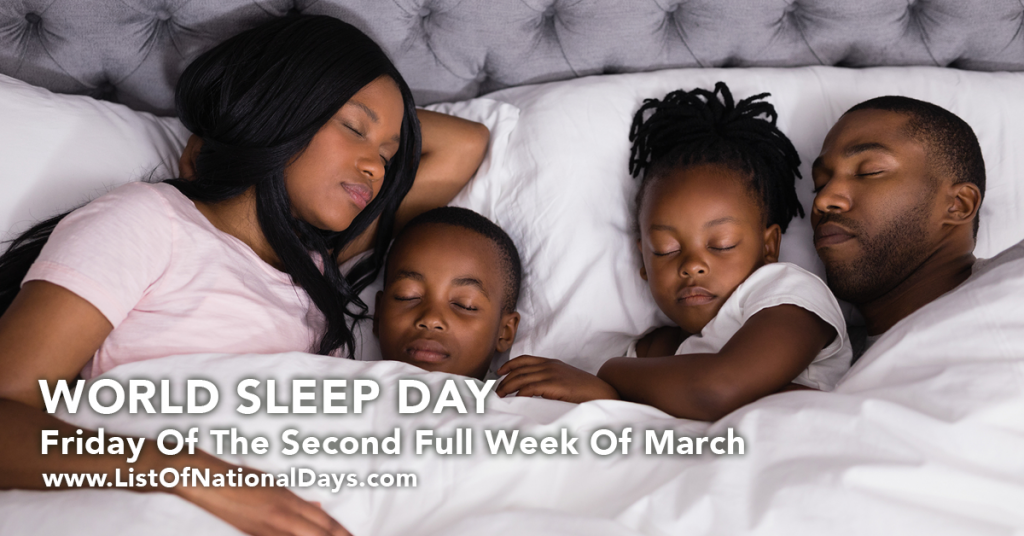
World Sleep Day is an annual awareness event celebrated on the Friday before the spring equinox to promote better sleep habits and highlight the importance of sleep for overall health and well-being.
#HASHTAGS
#WorldSleepDay
World Sleep Day is celebrated annually on the Friday before the northern hemisphere vernal equinox.
Earth Hour is an annual event organized by the World Wide Fund for Nature (WWF) that encourages individuals, businesses, and governments to turn off non-essential lights for one hour as a symbol of their commitment to the planet.
#HASHTAGS
#EarthHour
Earth Hour is celebrated annually on the last Saturday of March.
National Farm Rescuer Day is a day to recognize the efforts of volunteers who provide aid and support to farmers and ranchers during times of crisis, such as illness, injury, or natural disasters.
#HASHTAGS
#NationalFarmRescuerDay
National Farm Rescuer Day is celebrated annually on the third Thursday Of March.
World Kidney Day is a global health awareness campaign observed annually with the aim of raising awareness about the importance of the kidneys and reducing the frequency and impact of kidney disease and its associated health problems.
#HASHTAGS
#WorldKidneyDay
World Kidney Day is celebrated annually on the second Thursday In March.
RC Car Day is a day dedicated to celebrating remote-controlled cars and the hobby of RC car racing. On this day, enthusiasts come together to showcase their skills, compete in races, and share tips and tricks.
B-Boy and B-Girl Day is an annual event that celebrates the hip-hop dance culture and the talents of breakdancers. The event includes workshops, performances, battles, and other activities for breakdancers and hip-hop enthusiasts to come together.
#HASHTAGS
#BBoyAndBGirlDay
B-Boy And B-Girl Day is celebrated annually on March 18th.
Daylight Saving Time (DST) is a seasonal practice where clocks are set forward by one hour in the spring and set back in the fall to maximize daylight hours. In 2024, DST in the United States begins on March 9th and ends on November 2nd. While many countries follow this system, DST remains debatable regarding its benefits and drawbacks.
The History of Daylight Saving Time
The concept of adjusting clocks to better use daylight dates back to Benjamin Franklin in 1784, who humorously suggested it as a way to save candles. However, Germany first implemented the modern form of DST during World War I and later adopted it by other countries to conserve energy. The United States formally standardized DST with the Uniform Time Act of 1966.
Key milestones in DST history include:
1916 – Germany becomes the first country to adopt DST during World War I.
1918 – The United States introduced DST, which was repealed after the war.
1966 – The Uniform Time Act establishes DST across the U.S.
2007 – The U.S. extends DST by four weeks under the Energy Policy Act.
The Benefits of Daylight Saving Time
Supporters of DST argue that adjusting clocks offers several advantages:
Energy Conservation – By reducing artificial lighting and evening electricity use, DST can lower energy consumption.
More Daylight for Activities – Longer daylight hours encourage outdoor recreation and shopping, boosting local economies.
Fewer Traffic Accidents – More daylight in the evening hours is believed to improve road safety.
Boosts Mental Health – Increased sunlight exposure can reduce seasonal affective disorder (SAD) symptoms.
The Controversies and Criticism of DST
Despite its benefits, DST has faced criticism and calls for its elimination. Common arguments against DST include:
Health Disruptions: The time change can disturb sleep patterns and increase the risks of heart attacks and strokes.
Limited Energy Savings: Some studies suggest modern electricity use patterns negate DST’s original purpose.
Economic Confusion: Not all regions observe DST, causing scheduling issues in business and transportation.
Impact on Agriculture: Farmers, in particular, have expressed concerns about the disruption DST causes to their schedules.
Which Countries Observe Daylight Saving Time?
DST is observed in over 70 countries worldwide, though policies vary by region:
United States & Canada: Most regions follow DST except Arizona (excluding Navajo Nation) and Hawaii.
Europe: The European Union observes DST but has debated eliminating it.
Australia & New Zealand: Some states and territories observe DST while others do not.
Asia & Africa: Many countries do not observe DST due to their proximity to the equator.
Future of Daylight Saving Time
Debates continue about whether DST should be abolished or made permanent. In the U.S., the Sunshine Protection Act, proposed in recent years, aims to make DST permanent, eliminating the biannual clock changes. However, the decision remains unresolved.
#HASHTAGS
#DaylightSavingsTime
Daylight Savings Time is celebrated annually on the second Sunday In March.
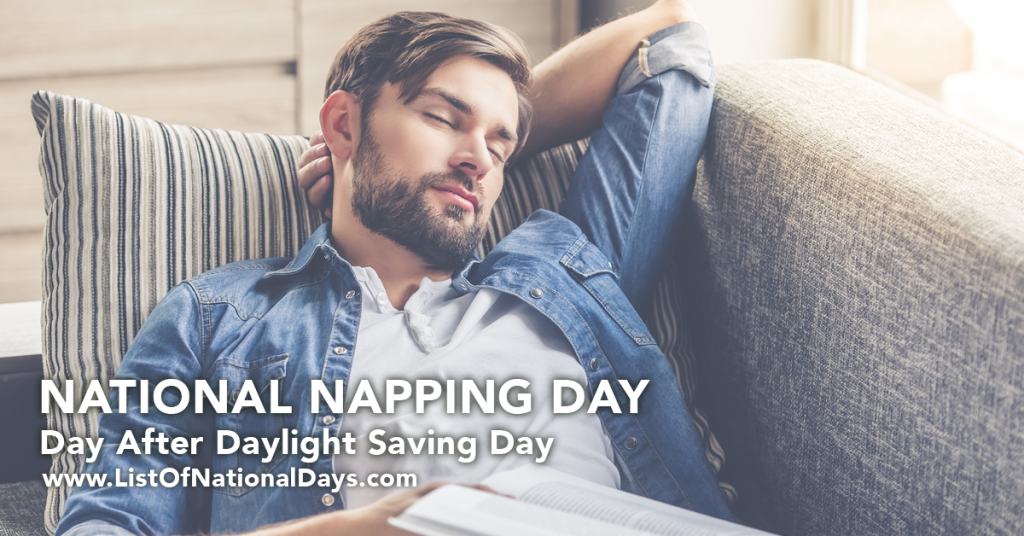
National Napping Day is celebrated annually on the Monday after Daylight Saving Time begins to help people adjust to the lost hour of sleep. In 2024, this well-deserved holiday falls on March 11th. It serves as a reminder of the benefits of napping and the importance of prioritizing rest in our busy lives.
The History of National Napping Day
This day was created in 1999 by Boston University professor William Anthony and his wife, Camille. Their goal was to highlight the positive effects of napping on productivity, health, and overall well-being. Since then, National Napping Day has gained recognition as people worldwide embrace the power of a good nap.
The Benefits of Napping
Studies show that short naps can significantly impact mental and physical health. Here are some key benefits:
Boosts Alertness and Performance – A quick power nap (10-20 minutes) enhances cognitive function and reaction times.
Improves Mood and Reduces Stress – Napping can help regulate emotions and decrease cortisol levels.
Enhances Memory and Learning – Sleep plays a crucial role in processing and retaining information.
Supports Heart Health – Studies suggest that short naps may reduce the risk of heart disease.
Increases Productivity – Well-rested individuals tend to be more focused and efficient at work.
How to Celebrate National Napping Day
There are many ways to observe this day and incorporate healthy napping habits into your routine:
Take a Power Nap: Aim for 10-30 minutes to recharge without feeling groggy.
Create a Restful Environment: Use blackout curtains, white noise, or a sleep mask for relaxation.
Encourage Workplace Naps: Employers can promote short breaks to boost productivity.
Educate Others: Share the benefits of napping on social media using hashtags like #NationalNappingDay and #PowerNap.
Prioritize Sleep Hygiene: This day is a reminder to improve nighttime sleep habits.
The Science Behind the Perfect Nap
Experts recommend different nap durations based on your needs:
10-20 minutes: Ideal for a quick energy boost.
30-60 minutes: This can improve memory and decision-making skills but may cause sleep inertia.
90 minutes: A complete sleep cycle that enhances creativity and problem-solving.
Countries That Embrace Napping
Napping isn’t just a personal habit—it’s a cultural norm in many countries:
China: Many workplaces and schools promote short naps for better performance.
Spain: The famous siesta allows people to rest in the afternoon.
Japan: Workplace naps, known as inemuri, are widely accepted.
Italy: The riposo tradition encourages mid-afternoon rest.
#HASHTAGS
#NationalNappingDay
National Napping Day is celebrated annually on the day after Daylight Saving Day.